What Makes Someone a Candidate for Invisalign Calabasas CA?
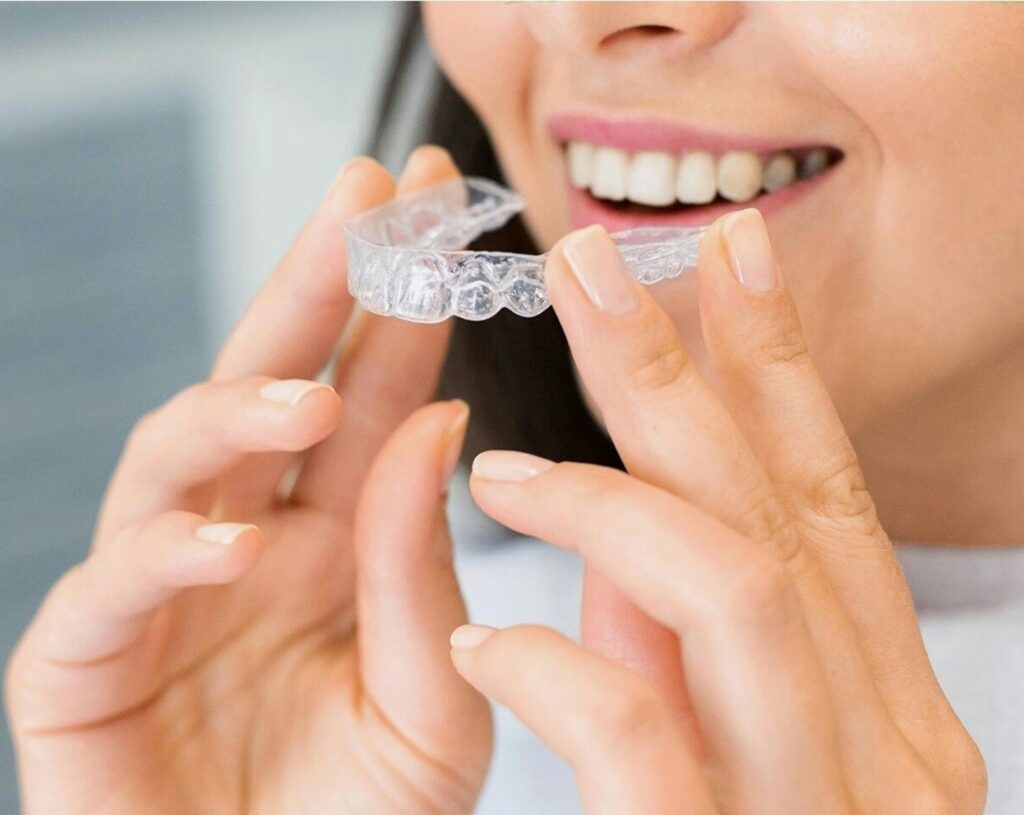

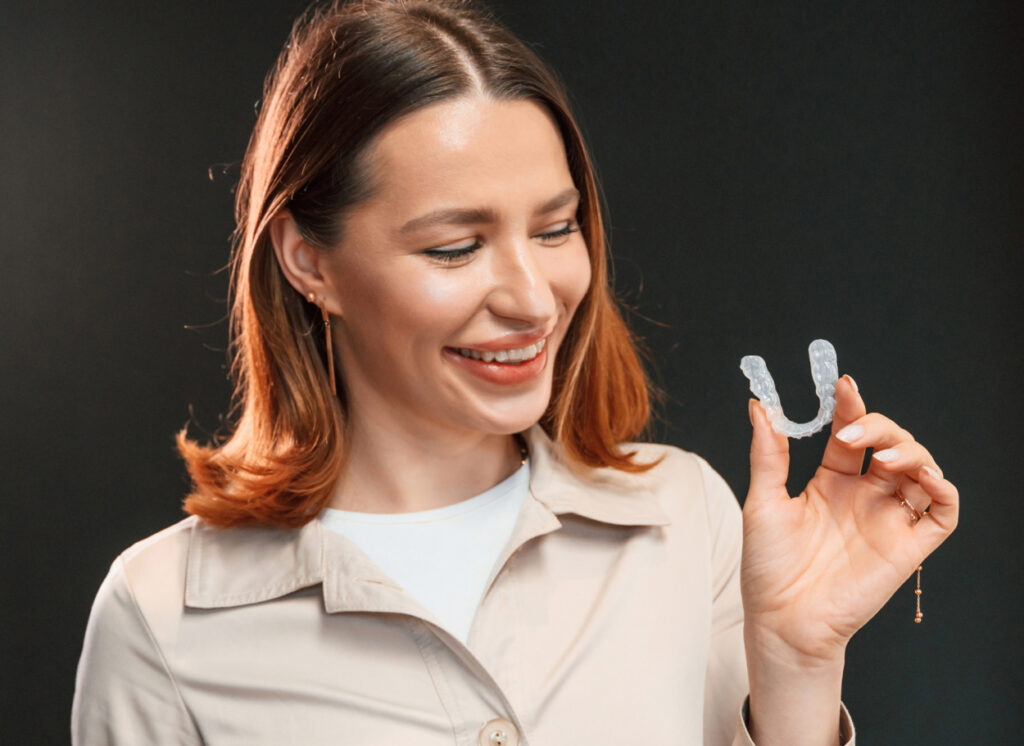
A lot of people assume Invisalign is mainly for teenagers with minor cosmetic concerns or adults who never had braces and want a discreet second chance. That is only part of the picture. In real practice, the better question is not whether someone likes the look of clear aligners. It is whether their teeth, bite, habits, and expectations line up with what the system does well.
For patients exploring Invisalign Calabasas CA, candidacy usually comes down to a mix of clinical fit and personal discipline. The trays can be remarkably effective, but they are not magic. They move teeth by applying controlled pressure over time, and that process works best when the underlying orthodontic problem is suitable for aligners and the patient is willing to wear them as directed.
Some cases are straightforward. Mild crowding, a few gaps, relapse after braces, or slight bite irregularities often respond beautifully. Other cases call for more caution. Significant jaw discrepancies, severe rotations, impacted teeth, or certain skeletal bite issues may require braces, surgical planning, or a hybrid approach. The right answer depends on details that are easy to miss if you are only looking at the front teeth in a mirror.
The first thing a dentist or orthodontist looks at
When someone comes in asking about Invisalign, the conversation rarely starts with the trays themselves. It starts with the bite.
Teeth do not move in isolation. They fit into an entire system that includes the upper jaw, lower jaw, gums, bone support, chewing patterns, and even airway concerns in some cases. A person may say, “I just want to straighten this one crooked tooth,” but that one tooth may be reacting to crowding, a narrow arch, grinding, or a bite that forces it out of position.
A proper Invisalign evaluation usually includes digital scans or impressions, photographs, and X rays when needed. Those records help reveal whether the issue is cosmetic, functional, or both. A patient might look like a simple case from the front, but the side view can show a deep overbite or crossbite that changes the plan entirely.
This is where candidacy becomes more nuanced than most people expect. A good provider is not trying to sell aligners. They are trying to decide whether aligners will predictably deliver the result without compromising health or stability.
Common problems Invisalign can often treat well
Many excellent Invisalign candidates have concerns that are common and very treatable. Mild to moderate crowding is one of the biggest categories. If teeth overlap because there is not quite enough space, aligners can often create room through controlled expansion, reshaping between teeth, or careful arch coordination.
Spacing also tends to respond well, especially when the gaps are not caused by major gum disease or missing teeth that need a restorative plan. Small spaces between front teeth, known as diastemas, can often close predictably with aligners if the bite supports it.
Relapse after braces is another frequent reason adults pursue treatment. Plenty of people wore braces in high school, stopped wearing retainers in college, and noticed shifting years later. In many of those cases, Invisalign is an excellent way to recapture alignment without returning to metal brackets.
Certain bite issues can also be treated successfully, particularly mild to moderate overbite, underbite, open bite, or crossbite cases. The key phrase is “certain bite issues.” Some are straightforward. Others are much more complex than they appear. A small posterior crossbite in an otherwise healthy adult may be manageable. A severe skeletal discrepancy is a different story.
When someone wants Invisalign, but may not be the best candidate
There are situations where clear aligners may not be the strongest option, at least not as a standalone treatment.
Severe crowding is one. If there simply is not enough room and teeth are significantly displaced, braces sometimes provide more precise control, especially for vertical movements and substantial rotations. Teeth that are turned sharply, particularly round teeth like canines or premolars, can be stubborn with aligners. It does not mean they cannot be treated, but the difficulty rises.
Major bite discrepancies can also point away from aligners. If the upper and lower jaws do not relate well because of underlying skeletal structure, tooth movement alone has limits. In those cases, braces, growth modification in younger patients, or orthognathic surgical consultation may be more appropriate.
Active gum disease is another red flag. Moving teeth in an unhealthy periodontal environment is risky. The supporting bone and tissues need to be stable first. A patient with bleeding gums, mobility, or untreated periodontal pockets may Invisalign Calabasas CA eventually become a candidate, but only after periodontal health is brought under control.
Then there is the issue many providers quietly rank near the top: compliance. Invisalign only works when it is worn enough. A patient who travels constantly, snacks all day, forgets things easily, or knows they are unlikely to wear trays 20 to 22 hours a day may not be a strong candidate, even if the teeth look ideal on paper.
Age matters less than habits
People often ask whether they are too old for Invisalign. In most healthy adults, age by itself is not the issue. Teeth can move throughout life if the gums and bone support are healthy. Some of the most motivated and successful Invisalign patients are in their forties, fifties, and sixties.
Teenagers can also do very well, but they present a different set of variables. Growth is still happening, wisdom teeth may be developing, and consistency can be less predictable. Invisalign has teen-specific features, but the trays still need to be worn. A very responsible sixteen year old may be a stronger candidate than a distracted thirty six year old who removes aligners every time coffee, lunch, or social plans come up.
From a practical standpoint, candidacy often has more to do with daily behavior than date of birth. Does the person follow instructions? Will they switch trays on schedule? Can they keep up with cleaning? Are they realistic about refinements and retention at the end?
Those questions matter because orthodontic treatment is not a one-time event. It is a process, and aligners put more of the process in the patient’s hands.
The role of oral health before treatment starts
Healthy mouths move better.
This may sound obvious, but it is one of the most overlooked parts of screening for Invisalign Calabasas CA. Before aligners go in, cavities should be addressed, gum inflammation reduced, and any major restorative problems evaluated. If a crown is failing, a tooth is cracked, or a patient has chronic clenching that is wearing down edges, those factors affect planning.
The trays fit closely over the teeth. That means they can highlight inconsistencies in shape, restorations, or fit. They can also trap plaque against the teeth if oral hygiene is weak. Someone who already struggles to brush and floss thoroughly may find that aligner treatment increases the need for discipline, not decreases it.
A well-qualified provider will usually look at:
- Gum health and bone support
- Existing fillings, crowns, and veneers
- Signs of grinding or clenching
- Presence of cavities or enamel wear
- Overall oral hygiene habits
None of these automatically rule out treatment. They simply shape whether the patient is ready now, needs preliminary care, or should consider another path.
Cosmetic goals versus functional needs
Not everyone seeking Invisalign is chasing a “perfect smile.” Many just want a cleaner, healthier arrangement of the teeth. When front teeth overlap, flossing becomes harder. When the bite is off, chipping and uneven wear can follow. When spacing traps food or leaves black triangles near the gums, aesthetics and function start blending together.
That distinction matters because treatment planning changes depending on the goal. If a patient only wants minimal cosmetic improvement and is not bothered by a small midline discrepancy or slight posterior bite issue, a limited aligner plan may be possible. If the same patient wants their bite fully corrected, treatment may take longer, require attachments on multiple teeth, and involve more refinement stages.
This is where honest expectations matter. Invisalign marketing sometimes gives the impression that every case resolves with a nearly invisible set of trays and a smooth, simple finish. Real treatment can involve tooth colored attachments, elastics, bite ramps, polishing between teeth, and one or more rounds of extra aligners. None of that is a problem when patients are informed ahead of time. It becomes a problem when they expected something easier than the biology allows.
Why attachments and refinements do not mean the case failed
A surprising number of people hesitate when they hear they may need attachments. These are small tooth colored bumps bonded to certain teeth to help the trays grip and move them more effectively. They are common, useful, and often essential.
Needing attachments does not mean someone is a poor candidate. In many cases, it means the provider is planning responsibly. The same is true for refinements. Teeth do not always track perfectly, even in cooperative patients. Small deviations happen. A refinement stage is often part of good orthodontics, not evidence of bad treatment.
Patients who make strong Invisalign candidates usually understand this trade-off. They want discretion, removability, and easier hygiene than braces, and they accept that achieving precise results may still require auxiliary tools and adjustments along the way.
Lifestyle fit is part of candidacy
There is a practical side to Invisalign that does not show up on scans.
A person who drinks coffee slowly all morning, likes frequent snacks, or attends back-to-back meetings may find tray wear surprisingly inconvenient at first. Aligners need to come out for meals and anything other than water if you want to avoid staining, warping, or decay risk. Then teeth should ideally be brushed before the trays go back in.
For some people, this structure is a hidden benefit. They snack less, clean their teeth more consistently, and become more aware of their oral habits. For others, it feels burdensome. A nurse working long shifts, a salesperson on the road, or a college student with an unpredictable schedule may need to think carefully about how realistic full-time wear will be.
A patient does not need a perfect routine to succeed. They do need a workable one.
Cases that often do especially well with Invisalign
While every mouth is different, some patterns show up again and again in successful treatment.
Adults with mild relapse after previous orthodontics often do very well because the movements are familiar and usually limited in scope. Patients with modest spacing, mild Invisalign Calabasas CA crowding, or minor front tooth flaring also tend to be strong candidates. People who are motivated by appearance at work, on camera, or in social settings often appreciate the subtlety enough to stay compliant.
One memorable pattern is the parent who finally addresses their own smile after bringing a child in for braces. They have usually thought about it for years. Their bite may not be perfect, but their goals are clear and their motivation is high. Those cases often finish smoothly because the patient is committed from day one.
Cases that need a more careful conversation
There is another group that deserves more nuance: patients who technically can do Invisalign, but should understand the limitations before starting.
Someone with significant lower crowding and a deep bite may be treatable, yet more likely to need refinements and longer wear. A patient with multiple crowns or short clinical crowns may not hold attachments as predictably. A person with temporomandibular joint symptoms may still be a candidate, but the relationship between bite changes and jaw comfort must be discussed carefully. Invisalign is not a treatment for every TMJ complaint, and anyone promising that would be oversimplifying.
Patients with veneers on front teeth require special planning too. Teeth can still move, but bonding attachments to veneered surfaces and preserving aesthetics during treatment require experience and caution.
These are not automatic exclusions. They are examples of why provider judgment matters. The best treatment plans are rarely one-size-fits-all.
What an ideal Invisalign candidate usually looks like
If you wanted a practical snapshot, the strongest candidates usually share a few traits. They have a treatable level of crowding or spacing, healthy gums and bone support, realistic expectations, and the willingness to wear trays as instructed. They are open to the fact that treatment may involve attachments or elastics and that retainers afterward are not optional.
That last point is worth stressing. If someone had braces before and stopped wearing retainers, they may still be a great candidate for Invisalign now. But if they are already saying, “I probably will not wear retainers long term,” the candidacy conversation changes. Orthodontic treatment without retention is often temporary.
What to expect at a consultation in Calabasas
A quality consultation should feel less like a sales pitch and more like a diagnostic conversation. You should come away understanding not only whether Invisalign is possible, but why it is or is not the best fit.
Most consultations cover the current bite, the movements needed, likely treatment length, whether attachments or elastics are expected, and whether any dental work should happen before treatment. In a market like Calabasas, where appearance matters to many patients but standards can also be high, the best offices balance aesthetics with biomechanics. They do not just ask whether you want straight teeth. They ask what kind of result will stay healthy and stable.
A few useful questions to ask during that visit include:
- Am I a good candidate for Invisalign, or just a possible one?
- What part of my case is easiest to treat, and what part is hardest?
- Will I need attachments, elastics, or refinements?
- Are there any gum, bite, or restorative issues to address first?
- What will retention look like once treatment ends?
Those questions often reveal how thoughtfully the case is being evaluated.
The difference between “possible” and “predictable”
This may be the single most important distinction for patients considering Invisalign Calabasas CA.
A case can be technically possible with aligners and still not be the most predictable option. Orthodontics is full of treatment plans that can work under ideal conditions. The real question is how likely they are to work well, efficiently, and stably for you.
Predictability matters because treatment affects time, money, comfort, and trust. If a complex case with difficult rotations and a challenging bite has a much more reliable path with braces, that is worth hearing. On the other hand, if a moderate case can be handled beautifully with aligners by an experienced provider, there is no reason to default to wires just because the case is not “simple.”
Good candidacy assessment lives in that balance. It is not about saying yes to everything or no to anything difficult. It is about matching the tool to the case.
So, who is usually a candidate?
Most healthy teens and adults with mild to moderate alignment issues can at least be considered for Invisalign. Many turn out to be excellent candidates. The best fits tend to have manageable crowding or spacing, stable gums and bone, and the self-discipline to wear aligners consistently. People with severe bite problems, active periodontal disease, complex tooth movements, or poor compliance habits may need a different approach, or at least a more carefully staged one.
If you are curious whether your own smile falls into the “yes,” “maybe,” or “not ideal” category, the answer does not come from an ad or a self-assessment app. It comes from records, diagnosis, and a candid discussion with a provider who understands both the strengths and the limits of clear aligner therapy.
That is what really determines candidacy. Not just whether you want Invisalign, but whether Invisalign is the right instrument for the result you want and the mouth you actually have.
Oaks Dental
5000 Parkway Calabasas, Suite 308
Calabasas, CA 91302
(818) 643-6521
FAQ About Invisalign Calabasas CA
How many hours a day should I wear Invisalign?
Clear aligners are typically worn for 20 to 22 hours a day. Follow your dentist’s instructions for your specific treatment plan.
What age is best for Invisalign?
Many teens and adults can use clear aligners. A dentist can assess dental development, oral health, and the type of tooth movement needed.
What affects the cost of Invisalign in California?
Cost depends on the complexity and length of treatment and what the quoted plan includes. Ask for an itemized estimate and check any orthodontic coverage with your insurer.