Invisalign Calabasas CA for Long-Term Smile Results

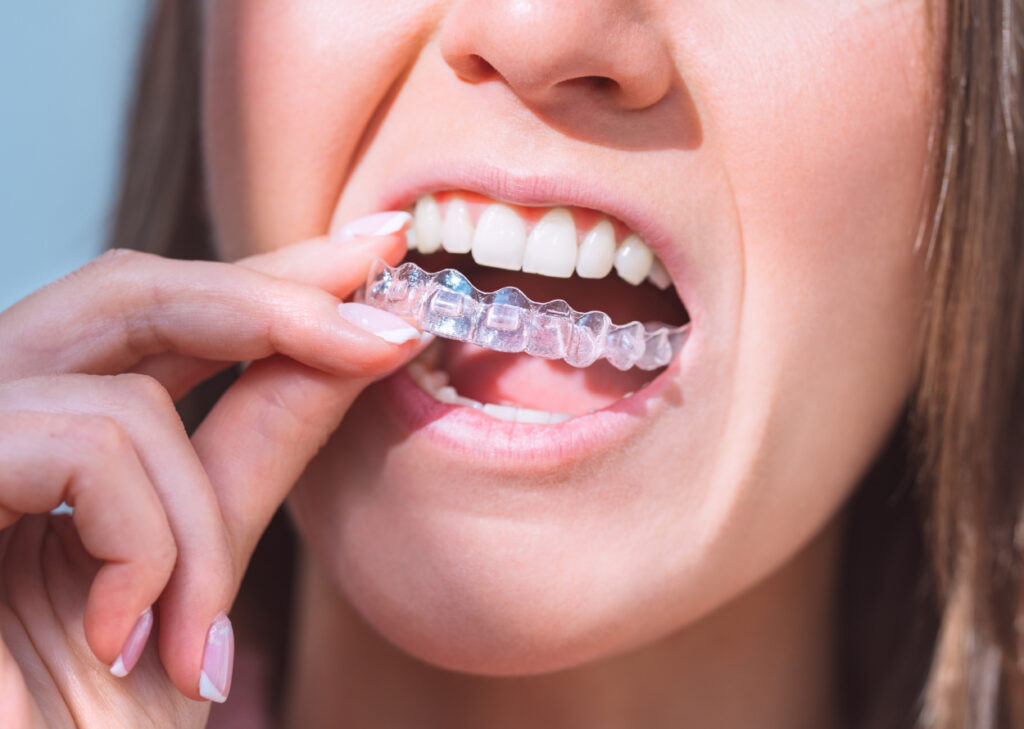
A straighter smile can change more than a photo. It can shift the way a person speaks in meetings, laughs at dinner, or feels walking into a room. But when people begin looking into orthodontic treatment, especially adults with careers, family obligations, and full calendars, the real question is rarely just, “Will my teeth look better?” The better question is whether the result will last.
That is where Invisalign earns so much attention. For patients considering Invisalign Calabasas CA, the appeal is not only cosmetic. It is practical. Clear aligners fit more easily into adult life than traditional braces, and when treatment is well planned and followed through properly, they can produce stable, long-term improvements in bite alignment, tooth position, and overall smile balance.
Long-term success, however, is never just about the trays themselves. It depends on the initial diagnosis, the quality of treatment planning, the patient’s daily habits, and what happens after the last aligner comes off. Those details are where strong outcomes are won or lost.
Why long-term results matter more than quick cosmetic fixes
It is easy to focus on the short-term transformation. Teeth move, photos improve, confidence rises. But orthodontics is not like getting a haircut. Teeth sit in living bone and are influenced by muscle pressure, bite force, grinding habits, gum health, and age-related changes. If those factors are ignored, teeth can drift back, wear unevenly, or settle into a bite that looks straight but does not function well.
A well-executed Invisalign case should do more than line up the front teeth for a polished appearance. It should respect the way upper and lower teeth meet, create room where crowding exists, and reduce the risk of relapse by finishing with precision. That is especially important for adults who may already have old dental work, gum recession, missing teeth, or a history of clenching.
In a place like Calabasas, many patients are balancing professional appearance with long-term oral health. They want something discreet, but they also want something worth the investment. A smile that looks good for six months but shifts noticeably within two years is frustrating and expensive. Durable results require a broader view.
What Invisalign does especially well
Clear aligners have matured significantly over the years. Early skepticism often came from cases that were oversimplified or handled as if aligners could do everything equally well. They cannot. No orthodontic system is perfect for every patient. But Invisalign is highly effective for many common alignment problems when used with good judgment.
Mild to moderate crowding often responds very well. Spacing issues, minor bite corrections, and relapses from prior braces are also common reasons adults choose aligners. For teenagers and adults who feel self-conscious about metal brackets, the nearly invisible appearance matters. So does the ability to remove the trays for meals, brushing, flossing, and special events.
The removable design also creates a different daily experience. Patients are not trying to clean around fixed wires and brackets, and many find it easier to maintain healthy gums during treatment. That matters because long-term smile stability depends heavily on the health of the supporting bone and soft tissue. Teeth do not remain stable in unhealthy gums.
That said, removable treatment comes with a built-in trade-off. Success depends on compliance. Braces work around the clock because they are fixed in place. Invisalign works only when worn as directed, usually in the range of 20 to 22 hours a day. Patients who are disciplined often do beautifully. Patients who remove trays too often, forget them during travel, or leave them out for long lunches usually extend treatment and compromise the finish.
The Calabasas patient profile often shapes the treatment plan
Many adults seeking Invisalign Calabasas CA are not first-time orthodontic patients. They may have had braces as teenagers and skipped retainers in college. They may have developed crowding in the lower front teeth over the years, seen spacing appear after dental work, or noticed that one tooth has shifted as they aged. Some arrive with veneers or crowns already in place, which changes how teeth can be moved and where attachments can be placed.
Lifestyle also plays a role. Patients with public-facing careers often want a subtle option that does not draw attention during presentations or client meetings. Parents appreciate being able to remove aligners for family dinners or social events. Actors, speakers, and media professionals often prefer clear aligners because they interfere less with appearance and speech after the brief initial adjustment period.
The local climate and routine matter in smaller ways, too. People who spend long hours out, in meetings, driving, or moving between work and school schedules need a treatment system they can manage consistently. The aligners themselves are simple. The habit is the hard part. A strong provider does not ignore that. Instead, they help a patient choose a plan that fits real life rather than ideal life.
Not every straight smile is a healthy bite
One of the biggest mistakes in orthodontic decision-making is judging cases only by the appearance of the front teeth. A smile can look beautifully aligned in a mirror while the bite behind it is unstable, strained, or wearing teeth down. This is where professional planning matters most.
If someone has a deep bite, a crossbite, a narrow arch, missing molars, or a history of jaw tension, the treatment needs to account for function. The goal is not perfection in an abstract sense. The goal is a bite that is comfortable, balanced, and maintainable.
For example, a patient may come in asking to “just straighten the bottom front teeth.” On the surface, that sounds simple. But if those teeth are crowded because the upper and lower arches do not fit together well, pushing them into line without addressing the bite can leave them unstable. Another patient may want to close a small Oaks Dental Invisalign Calabasas CA gap between the front teeth, yet the gap may be related to tongue posture, gum changes, or the shape of the teeth themselves. If the cause is not addressed, the space may reopen.
Experienced clinicians think about these issues from the start. They look at roots, bone support, existing restorations, and the pattern of wear. They assess whether clear aligners are the best tool or whether another method would produce a healthier result.
The best candidates for long-term Invisalign success
There is no single perfect Invisalign patient, but some patterns show up repeatedly in successful cases. People do best when they are motivated, realistic, and willing to wear retainers after treatment. They also benefit from clear communication about what aligners can and cannot do.
These signs often point toward a strong fit for treatment:
- Mild to moderate crowding or spacing
- Relapse after previous orthodontic treatment
- Good gum health and reliable oral hygiene habits
- A schedule that supports consistent daily wear
- Willingness to commit to retention after treatment
A patient does not need every one of these traits, but the more boxes checked, the smoother the process tends to be. Someone with significant crowding and poor compliance may technically start Invisalign, yet struggle to reach a stable finish. Another person with a moderate case but excellent discipline may do exceptionally well.
Why provider experience affects the result so much
With Invisalign, the appliance may look standardized, but the treatment plan is not. Two providers can start with the same digital scan and make very different decisions about how to sequence movements, where to place attachments, how much correction to attempt, and when to refine the case.
That matters because tooth movement is not simply a matter of dragging crowns into place. Roots must follow in a controlled way. The bite has to settle. Some movements are more predictable than others. Rotated teeth, vertical changes, and complex bite corrections often need more careful planning and mid-course adjustments. A provider who understands those limits is more likely to set a patient up for success than one who promises a flawless result for every case.
This is one reason comprehensive evaluation should come before price shopping. Cost matters, of course, but long-term value matters more. A lower initial fee can become expensive if treatment drags on, refinements pile up, or the finished bite needs correction later. Patients often underestimate how much expertise affects efficiency. A well-planned case can save months of frustration.
The daily habits that protect the investment
A surprisingly large part of long-term success comes down to ordinary routines. Aligners are elegant in design, but they ask for discipline that fixed braces do not. The habits are not complicated, though they do need to be consistent.
Patients who get the best results usually fall into a rhythm quickly. They remove trays only for meals and drinks other than water, brush before reinserting them, and keep the next set on hand during travel. They do not stretch meal times for hours. They do not leave trays wrapped in napkins at restaurants. They do not skip to the next aligner early because they are impatient.
Speech adjustments tend to be temporary. A slight lisp may appear for a few days, especially with certain sounds, but it usually fades as the tongue adapts. Soreness is also generally manageable, more like pressure than sharp pain, and often strongest when changing to a new set of trays. Those small inconveniences are normal. What creates bigger problems is inconsistent wear.
One pattern seen often in adult treatment is “weekday discipline, weekend drift.” A patient wears aligners perfectly Monday through Thursday, then removes them for dinners out, social events, and long brunches, gradually losing too many hours each week. The aligners still seem to fit, so the problem goes unnoticed until tracking slips. This is a classic example of how decent compliance can still undermine a case.
Retainers decide whether the result lasts
For all the attention given to active treatment, retention is what truly protects long-term smile results. Teeth have memory. The fibers around them need time to reorganize after movement, and even after they do, the mouth continues to change over the years. Age, bite pressure, grinding, and natural settling all influence tooth position.
That is why the end of Invisalign is not the end of the process. It is the beginning of maintenance.
Patients are often most compliant right after treatment because the improvement is fresh and visible. The challenge comes later, when life feels normal again and the urgency disappears. Skipping retainers for a week becomes two weeks, then a month, and eventually the retainer no longer fits. At that point, minor relapse may already be underway.
A sensible retention routine often looks like this:
- Wear retainers exactly as prescribed at the end of treatment, often full-time for an initial period
- Transition to nighttime wear only when advised
- Replace retainers when they crack, loosen, or no longer fit accurately
- Bring retainers to routine dental visits so fit and wear can be checked
- Act quickly if teeth begin to shift, rather than waiting for bigger relapse
These are simple steps, but they are what separate a great one-year result from a great ten-year result. People sometimes assume their teeth will stay put because they look stable in the mirror. Orthodontic relapse tends to begin subtly. A lower incisor twists slightly. A contact point tightens. A tiny space reappears. The earlier it is addressed, the easier it is to manage.
Adult cases often require a broader dental strategy
One of the strengths of Invisalign is how well it can fit into larger restorative or cosmetic plans. Adults in Calabasas often pursue orthodontics before bonding, veneers, implants, or whitening because the alignment creates a better foundation for everything that follows.
That sequencing matters. Straightening the teeth first can reduce the need for aggressive enamel removal, improve spacing for future restorations, and create more symmetry before cosmetic work begins. In many cases, moving natural teeth into better positions allows for more conservative dentistry later.
A common example is the patient who wants veneers because their smile looks crowded and uneven. After evaluation, it may become clear that Invisalign can correct much of the issue on its own, or at least reduce the amount of cosmetic alteration needed afterward. Another example is a patient preparing for an implant who needs adjacent teeth repositioned to open ideal space. These are not unusual scenarios. They are everyday examples of why orthodontics should not be viewed in isolation.
Long-term smile results depend on that bigger perspective. A smile is not just a row of visible front teeth. It is a system involving function, support, appearance, and maintenance.
What can complicate treatment
The cleanest Invisalign cases are not always the easiest-looking ones. Some subtle smiles hide complex issues. Gum recession, shortened roots, heavy grinding, old crowns, missing teeth, and jaw asymmetries all affect planning. None of these automatically rule Invisalign Calabasas CA out Invisalign, but they do require careful case selection and realistic expectations.
Grinding, for instance, can place high force on aligners and teeth alike. Some patients wear through trays faster than expected. Others need closer monitoring because their bite is already under strain. Patients with periodontal issues may still be candidates, but gum disease must be stabilized first. Moving teeth in unhealthy bone is not a recipe for long-term success.
Teenagers present a different set of variables. Growth, compliance, sports schedules, and changing routines can all influence outcome. Some teens do remarkably well with aligners, especially when motivated by appearance. Others are better served by fixed appliances that remove the daily choice of whether to wear them.
This is where experienced judgment matters again. The right treatment is not always the trendiest or most convenient one. It is the one that balances biology, lifestyle, and long-term stability.
The timeline patients should realistically expect
Orthodontic treatment is a process of controlled biological change, not instant design work. Mild cases may finish in several months. More involved cases can take a year or longer, especially if refinements are needed. That is normal. Teeth do not move safely on a rushed timeline.
Refinements are also common and should not automatically be seen as a problem. In many cases, they are a routine part of polishing the result. Teeth do not always track perfectly, and small adjustments may be needed to improve the final bite or detail the alignment. Patients who understand this from the start usually feel less frustrated than those who expect the first series of trays to do everything flawlessly.
The larger point is that speed should not outrank quality. A stable, well-finished smile is worth more than a hurried finish that looks acceptable from a distance but lacks precision.
Choosing treatment with a long view
Anyone researching Invisalign Calabasas CA should think beyond convenience and aesthetics, important as both are. The real value of treatment is in how it holds up over time. That means choosing a provider who evaluates the whole bite, explains limitations honestly, and has a plan for retention from day one.
The patients happiest years later are usually not the ones who chased the fastest start or the lowest quote. They are the ones who understood what treatment required, followed through on the daily habits, and treated retainers as part of the result rather than an optional extra. They recognized that a straight smile is not a one-time purchase. It is a partnership between skilled planning and steady maintenance.
When Invisalign is used thoughtfully, it can deliver exactly what many adults want: a more confident smile, a healthier alignment, and results that stay with them long after the final tray is finished. That is the difference between a temporary cosmetic improvement and a smile built to last.
Oaks Dental
5000 Parkway Calabasas, Suite 308
Calabasas, CA 91302
(818) 643-6521
FAQ About Invisalign Calabasas CA
How many hours a day should I wear Invisalign?
Clear aligners are typically worn for 20 to 22 hours a day. Follow your dentist’s instructions for your specific treatment plan.
What age is best for Invisalign?
Many teens and adults can use clear aligners. A dentist can assess dental development, oral health, and the type of tooth movement needed.
What affects the cost of Invisalign in California?
Cost depends on the complexity and length of treatment and what the quoted plan includes. Ask for an itemized estimate and check any orthodontic coverage with your insurer.