Invisalign Calabasas CA for Flexible Orthodontic Care
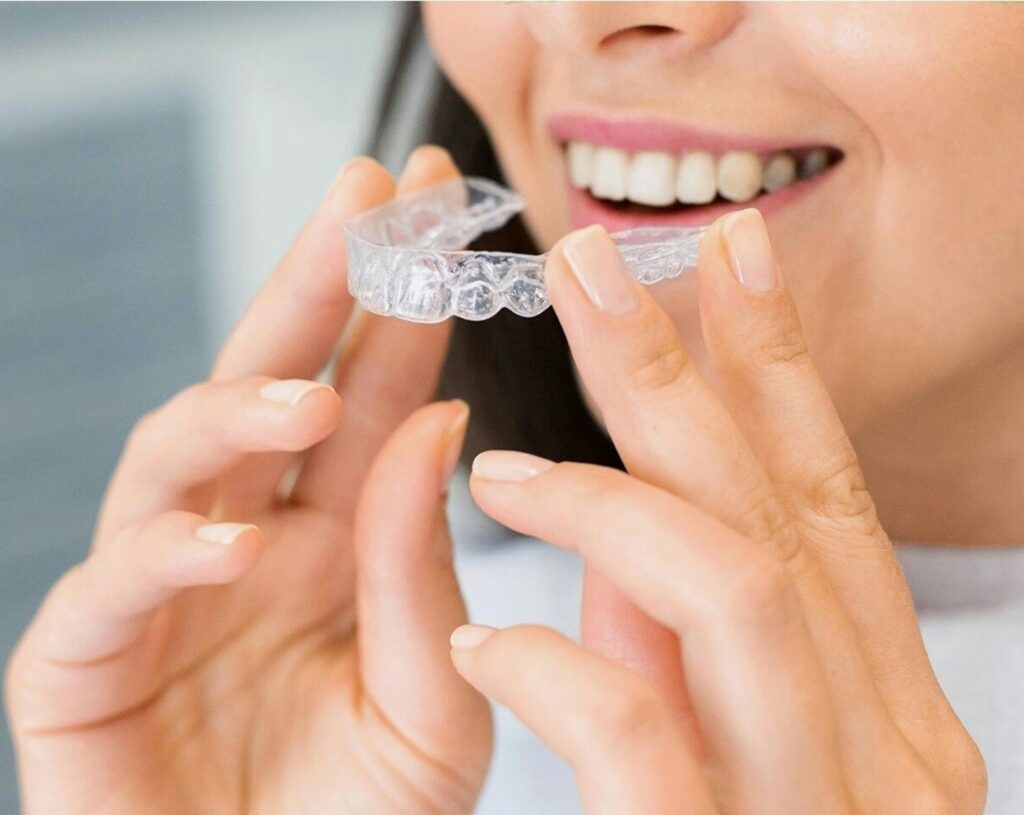

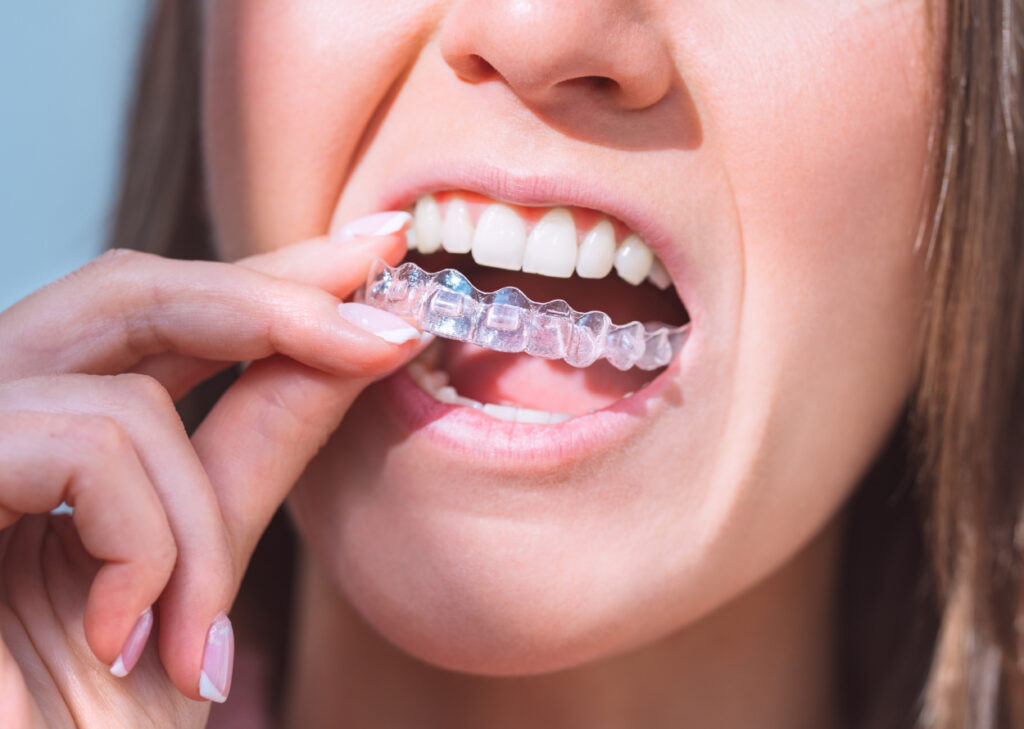
Orthodontic treatment has changed dramatically over the past two decades. Many adults who once assumed braces were something you either endured in middle school or skipped forever are now revisiting the idea with a very different set of expectations. They want straighter teeth, certainly, but they also want treatment that fits a full calendar, a public-facing job, family routines, workouts, dinners out, and business travel. That is exactly where Invisalign has earned its place.
For patients exploring Invisalign Calabasas CA, flexibility is usually part of the appeal from the first conversation. Appearance matters, but convenience matters just as much. Parents dropping kids at school before heading to work, professionals moving between meetings, performers and speakers who spend hours on camera, and retirees who simply want less disruption all tend to ask the same thing in different ways: can orthodontic care work with my life rather than take it over?
That question deserves a thoughtful answer, because Invisalign is not magic and it is not identical to braces. It can be an excellent solution, but only when expectations, oral habits, and clinical needs line up. The real value is not just that the aligners are clear. It is that the system offers a more adaptable way to move teeth when the case is appropriate and the patient is committed.
What flexibility actually means in orthodontic care
People often use the word flexible loosely. In practice, flexibility with Invisalign usually comes down to three things: fewer visible signs of treatment, the ability to remove aligners for meals and hygiene, and appointment schedules that are often easier to manage than traditional adjustment visits.
That first point matters more than some people admit. Adults in particular may feel hesitant about metal braces in client meetings, photographs, social events, or professional presentations. Clear aligners do not make orthodontic treatment invisible, but they make it far less noticeable in ordinary conversation. From a practical standpoint, that can lower the threshold for finally starting treatment.
The second point, removability, changes everyday life in a tangible way. With braces, food choices narrow quickly. Sticky candy, hard nuts, chewy bagels, and even crusty bread can become annoyances or hazards. Invisalign patients remove the trays before eating, so there is no need to relearn an entire approach to meals. The trade-off is discipline. If the aligners are off too often, treatment slows down or goes off track.
The third point is scheduling. Invisalign still requires regular monitoring, and no reputable orthodontic provider treats it as a set-it-and-forget-it product. Still, many patients appreciate that check-ins can feel more streamlined than frequent wire adjustments. For busy households in Calabasas, where commutes, sports schedules, and work obligations can stack up quickly, that matters.
Why Invisalign fits so many adult patients in Calabasas
Calabasas has no single patient profile. Some residents work locally, others commute, and many split time between demanding careers and active family schedules. A flexible orthodontic option tends to resonate in places where time is tight and appearance can play a role in work or social life.
Adults often come in with concerns that have been building quietly for years. One patient may have had braces as a teenager and watched teeth shift after losing or abandoning retainers. Another may have postponed treatment because metal braces felt out of step with a corporate role. Someone else may have developed crowding later in life, which is more common than people realize. Teeth can move gradually due to age, grinding, gum changes, or old dental work.
In those cases, Invisalign can be especially appealing because it does not ask patients to put life on pause. They can attend a wedding, speak at a conference, record a presentation, or go out to dinner without the sense that orthodontic treatment is announcing itself. That psychological comfort is not trivial. When people feel less self-conscious, they are often more likely to stay committed.
There is also a practical side for parents. Adults who are managing children’s appointments often put themselves last. Clear aligners make it easier to start treatment without adding the sense of one more major disruption. I have seen plenty of patients who finally moved forward only after realizing that the process could be integrated into routines they already maintain, rather than requiring a complete overhaul.
Cases where Invisalign works beautifully, and where judgment matters
The public sometimes hears about Invisalign as though it suits every orthodontic problem equally well. That is too simplistic. Clear aligners can address a wide range of issues, including mild to moderate crowding, spacing, some bite discrepancies, and relapse after prior braces. In experienced hands, they can handle more than many people expect.
Still, treatment planning matters enormously. Tooth movement is biomechanical, not cosmetic guesswork. Certain rotations, significant vertical changes, complex bite corrections, and severe skeletal discrepancies may require a different approach or a blended strategy. Some cases are manageable with aligners but demand meticulous use of attachments, elastics, refinements, and close follow-up. Others are better served by braces from the outset.
This is where a careful consultation matters more than marketing. A good provider should be able to explain not only whether Invisalign is possible, but whether it is the best tool for the specific problem. Those are not the same question. Patients deserve honesty here. If a case is likely to become frustrating with aligners because compliance will be difficult or the movements are especially stubborn, that should be said clearly.
There is also the issue of existing dental health. Cavities, untreated gum disease, cracked restorations, and poor oral hygiene need attention before or alongside orthodontic treatment. Straightening teeth on an unstable foundation is not good care. In fact, some of the best Invisalign outcomes come from coordinated planning between the orthodontic provider and a general dentist who understands the patient’s long-term restorative goals.
The daily routine is simple, but not effortless
One reason Invisalign feels manageable is that the system is straightforward. The aligners are worn most of the day, removed for eating and drinking anything other than water, then put back in after brushing. Patients switch to a new set on a prescribed schedule, often every one to two weeks depending on the plan.
Straightforward does not mean easy for everyone. The people who do best are often not the most enthusiastic at the start. They are the most consistent. Aligners need to be worn roughly 20 to 22 hours per day in most plans. If they spend long stretches in a napkin at lunch, on a nightstand overnight, or in a gym bag during practice, the treatment suffers.
A common early surprise is how much snacking changes. With braces, patients can snack more casually as long as the food is permitted. With Invisalign, every snack means removing aligners, eating, rinsing or brushing, and reinserting them. That friction causes some people to cut down on grazing without even trying. For some, that is a welcome side effect. For others, especially those who sip coffee slowly all morning or prefer frequent small meals, it takes adjustment.
Speech changes are usually mild and temporary, but they can happen. A slight lisp in the first few days is not unusual. Most patients adapt quickly. There is also normal pressure when moving to a new aligner, which is often described as tightness rather than pain. It tends to peak early and then settle.
What appointments are like, and why consistency matters more than speed
Many patients ask whether Invisalign means fewer appointments. Often it does, though that depends on the complexity of the case and the provider’s style. Monitoring visits may be spaced several weeks apart, particularly once things are progressing predictably. Those visits are not just formalities. They are checkpoints for fit, tracking, attachment stability, bite changes, and oral health.
A tray that is not seating properly can signal a problem before the patient even feels one. Sometimes a tooth is not tracking as planned. Sometimes an attachment has come off. Sometimes wear time has slipped. Catching those issues early can keep a small detour from turning into months of delay.
Patients naturally focus on total treatment time, but the better question is whether the plan is staying biologically realistic. Teeth move at the rate bone and ligament structures allow. Pushing faster is not automatically better. Refinement stages are also common. That does not mean the initial plan failed. It means orthodontic treatment is being adjusted to actual tooth response rather than forcing a rigid prediction onto living tissue.
The trade-offs patients should understand before choosing Invisalign
Clear aligners offer real advantages, but honest care means discussing the drawbacks too. They are removable, which is both their strength and their vulnerability. A patient cannot forget to wear braces, but can absolutely forget to wear aligners. Treatment success depends heavily on personal follow-through.
There are also lifestyle details people rarely consider until they begin. Spontaneous coffee runs become slightly less spontaneous if aligners are in place. Long dinners out may require planning. Travel is easier if patients carry a case, extra aligners if instructed, a toothbrush, and cleaning supplies. None of this is dramatic, but it is real.
For some patients, the trays feel liberating. For others, they feel like a responsibility that must be managed all day. Neither reaction is wrong. The right choice depends on temperament as much as tooth movement.
Here are the questions worth asking yourself before moving forward:
- Can you realistically wear aligners 20 to 22 hours a day?
- Are you willing to remove them every time you eat or drink anything besides water?
- Will you keep up with brushing, rinsing, and storage rather than setting trays down loosely?
- Do you want a less visible treatment option enough to stay disciplined?
- Are you open to refinements if your teeth need additional adjustments?
Patients who can answer yes to most or all of those questions tend to have a smoother experience. Patients who hesitate are not disqualified, but they should talk openly with their provider about alternatives and likely challenges.
A closer look at comfort, hygiene, and appearance
Traditional braces and Invisalign each ask for a different type of maintenance. Braces stay in place, so there is less room for noncompliance, but more nooks where food and plaque collect. Invisalign removes that obstacle during brushing and flossing, which many adults appreciate immediately. For patients with crowns, veneers, or a history of gum sensitivity, easier hygiene can be a meaningful advantage.
That said, aligners are not inherently cleaner. They become hygienic when patients care for them properly. Trays should be rinsed, cleaned as directed, and not left to dry with saliva and residue inside. I have seen very tidy patients keep aligners crystal clear, and equally intelligent, busy people wear trays that looked cloudy by day three because they treated them casually.
Appearance is where Invisalign is most obvious in its benefits. In normal conversation, many people will not notice aligners unless they are specifically looking for them. Attachments, those small tooth-colored shapes bonded to certain teeth to help the aligners grip and guide movement, can still be visible at close range. The treatment is discreet, not invisible. Patients usually accept that distinction easily once it is explained.
Comfort is subjective, but many adults prefer the feel of smooth plastic over brackets and wires. There are no wire pokes, no emergency trip because a bracket snapped off while eating, and fewer abrasions to lips and cheeks. On the other hand, some people dislike the sensation of having trays over their teeth all day. That is usually a short adaptation period, but it is worth acknowledging.
The consultation should be more than a sales pitch
Anyone considering Invisalign Calabasas CA should expect a consultation that feels diagnostic rather than promotional. A quality visit typically includes a detailed look at bite function, crowding or spacing patterns, jaw relationships, oral health, and patient goals. Photos, digital scans, and sometimes radiographs help create a clearer picture of what is happening beneath the surface.
The conversation should not revolve only around straight front teeth. Good orthodontic planning also considers how teeth meet, whether there is uneven wear, whether certain teeth are carrying too much bite force, and whether movement may support future dental work. A patient preparing for cosmetic bonding, veneers, implants, or restorative updates may benefit from orthodontics first, simply because proper alignment can make later treatment more conservative and stable.
Patients should also feel comfortable asking direct questions. How complex is this case? Is Invisalign your preferred option here, or just one option? What happens if a tooth does not track? How often are refinements needed in cases like mine? What will retention look like afterward? Those questions are not confrontational. They are signs of informed decision-making.
Cost, value, and what people are really paying for
Fees for Invisalign vary based on complexity, treatment length, and the level of intervention required. A mild relapse case is not priced the same way as comprehensive bite correction. Exact figures differ by practice and geography, so broad ranges are more appropriate than pretending there is one standard number.
What matters most is understanding what the fee includes. Sometimes patients compare prices without realizing they are comparing different scopes of care. One quote may include records, attachments, refinement trays, follow-up visits, and retainers. Another may not. Lower upfront pricing is not always lower total cost if important phases are excluded.
There is also value beyond cosmetics. Straighter teeth can be easier to clean. Certain bite improvements may reduce uneven wear or make restorative work more predictable. Better alignment can support long-term maintenance, though it is not a substitute for daily hygiene or routine dental care. Framing Invisalign as merely an aesthetic purchase misses the broader picture.
Retention is the part many patients underestimate
Orthodontic treatment does not end when the final aligner comes off. Teeth have memory, and the surrounding fibers and bone need time and support to stabilize. Retainers are not optional if the goal is to keep the result.
This is where adults who previously had braces often nod in recognition. Many are seeking treatment again precisely because retention lapsed years earlier. Teeth relapsed gradually, sometimes so slowly that the change was barely noticeable until old photos made it obvious. That is common, and it is one reason providers should discuss retention from day one rather than presenting it as an afterthought.
Most retention Invisalign Calabasas CA plans involve clear retainers worn more consistently at first, then at night over the long term. The exact schedule depends on the case and the provider’s guidance. What matters is accepting that retention is part of orthodontics, not an optional accessory.
A few retention habits make a significant difference:
- Keep retainers in their case whenever they are out of your mouth.
- Clean them regularly and replace them when they wear out or no longer fit correctly.
- Do not wait months to report tightness, cracking, or shifting.
- If you have had relapse before, treat nighttime wear as permanent maintenance, not a temporary phase.
Patients who embrace retention usually protect their investment well. Patients who see retainers as a chore often return later asking why a tooth moved back.
How Invisalign supports a more adaptable kind of care
The strongest case for Invisalign is not that it is trendy or high-tech. It is that, for the right patient, it allows orthodontic treatment to adapt to real life without sacrificing clinical rigor. That combination matters. Flexibility is valuable only when it still produces healthy, stable outcomes.
For many Calabasas patients, adaptability is the difference between acting on a long-delayed goal and postponing it yet again. They want to straighten teeth while continuing to work, speak, travel, exercise, socialize, and care for family without constant disruption. Clear aligners can meet that need very well, provided the diagnosis is sound and the patient understands the responsibility involved.
The best Invisalign experiences usually share a pattern. Expectations are realistic. The treatment plan is tailored, not generic. Oral health is stable before movement begins. The patient wears the aligners as directed, attends follow-up visits, and takes retention seriously afterward. When those pieces come together, Invisalign can be both efficient and remarkably unobtrusive.
That is why the phrase Invisalign Calabasas CA Invisalign Calabasas CA often attracts people who are not just shopping for straighter teeth, but for a more workable path to getting them. The appeal is not only cosmetic discretion. It is the chance to receive orthodontic care in a way that respects the pace and complexity of adult life.
Oaks Dental
5000 Parkway Calabasas, Suite 308
Calabasas, CA 91302
(818) 643-6521
FAQ About Invisalign Calabasas CA
How many hours a day should I wear Invisalign?
Clear aligners are typically worn for 20 to 22 hours a day. Follow your dentist’s instructions for your specific treatment plan.
What age is best for Invisalign?
Many teens and adults can use clear aligners. A dentist can assess dental development, oral health, and the type of tooth movement needed.
What affects the cost of Invisalign in California?
Cost depends on the complexity and length of treatment and what the quoted plan includes. Ask for an itemized estimate and check any orthodontic coverage with your insurer.