Dental Implants for Young Adults: When Are They Appropriate?
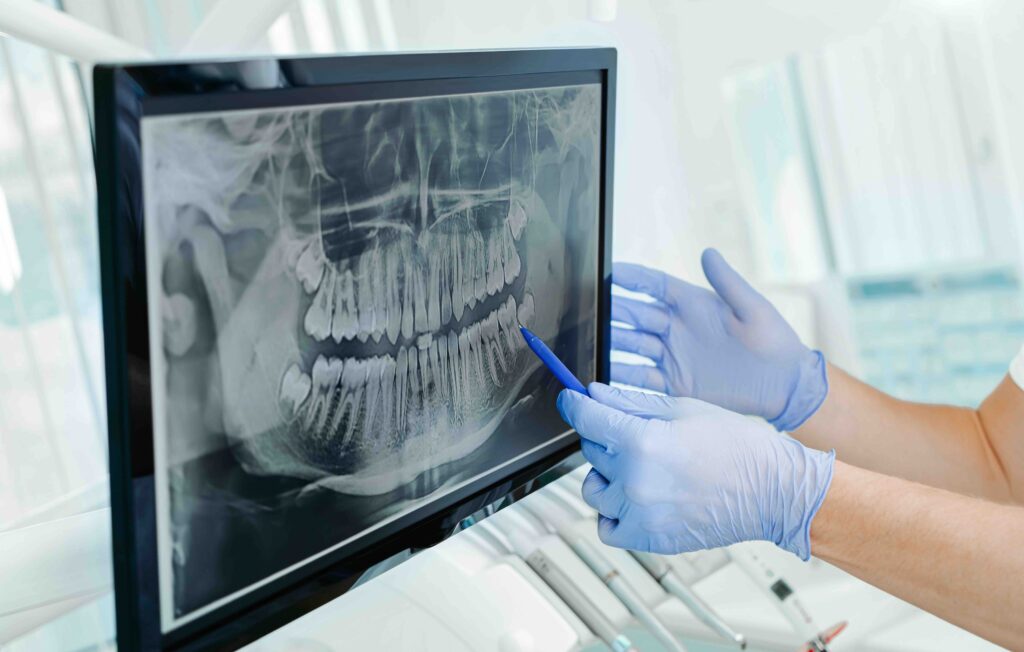
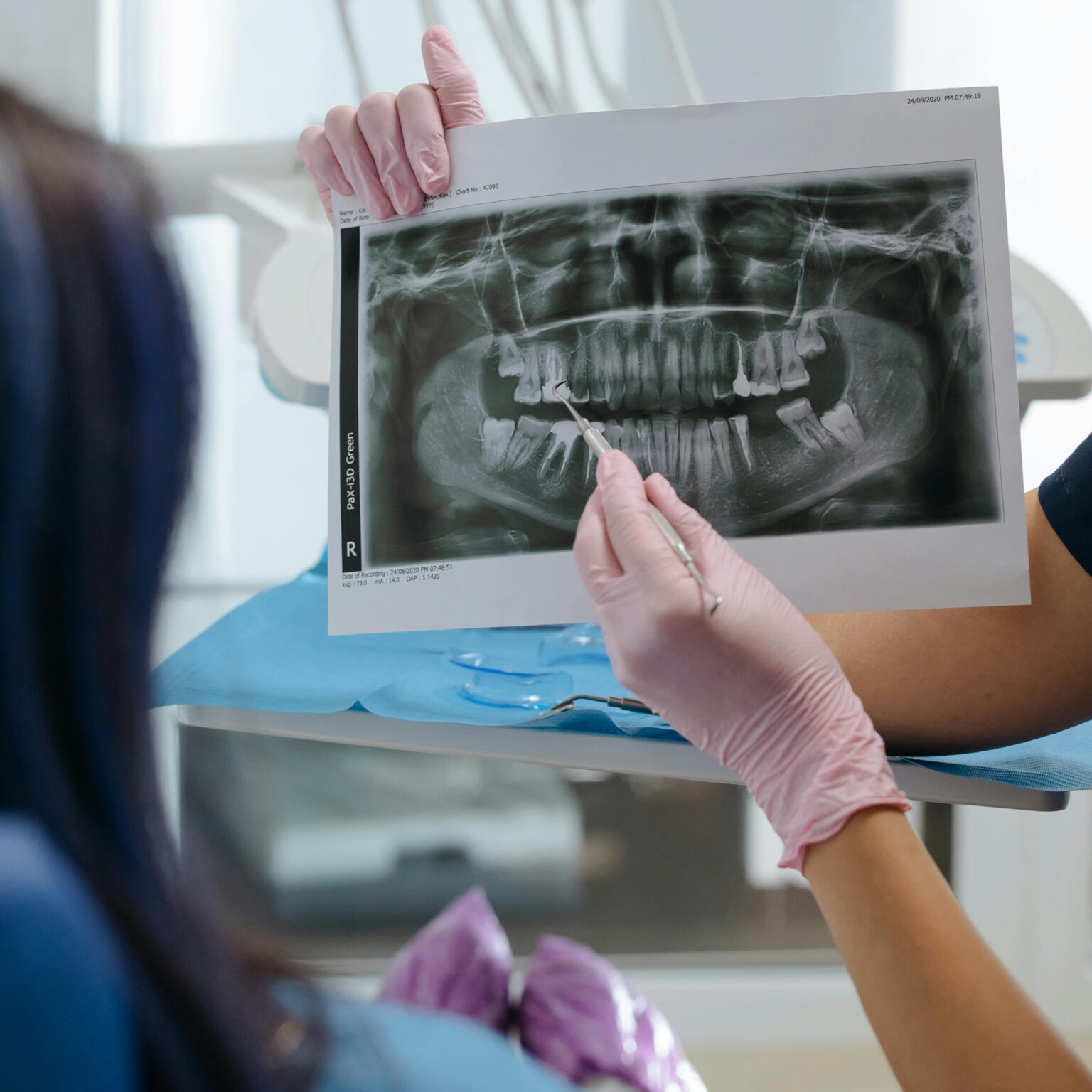
Losing a tooth at 19, 24, or 31 feels different than losing one at 68. Young adults are usually in the middle of building careers, dating, speaking in public, taking photos, and trying not to spend money on avoidable problems. A missing front tooth can affect confidence overnight. A missing back tooth can quietly change chewing patterns and, over time, stress neighboring teeth. It is no surprise that many younger patients ask about dental implants early, sometimes at the very first consultation.
The short answer is that dental implants can be an excellent option for young adults, but timing matters more than many people realize. Age alone does not decide candidacy. Bone growth, gum health, bite forces, lifestyle habits, medical history, and the reason the tooth was lost all matter. In practice, the best decision is often less about whether someone wants an implant and more about whether the mouth is ready for one.
Why the question comes up so often in younger patients
Young adults lose teeth for different reasons than older adults. Cavities can certainly play a role, but trauma is a major factor. Sports injuries, bicycle accidents, car crashes, and even an elbow during a pickup game can knock out a healthy tooth. Some patients were born without one or more permanent teeth, a condition dentists see often enough that it shapes long-term planning from the teenage years onward. Others have had a failed root canal, severe fracture, or advanced gum disease surprisingly early.
The emotional urgency is real. A 22-year-old who loses a front tooth usually does not want to hear about a slow, staged process. They want a stable, natural-looking replacement, and they want it soon. That is understandable. Still, the rush to “just place an implant” can create problems if the jaw is not fully developed or if the site has not healed properly. A well-timed implant can last for decades. A poorly timed one can end up looking too short, too long, sunken, or poorly aligned with the gumline a few years later.
That difference matters most in the aesthetic zone, especially the upper front teeth, where even a millimeter of gum change can be noticeable.
What a dental implant actually replaces
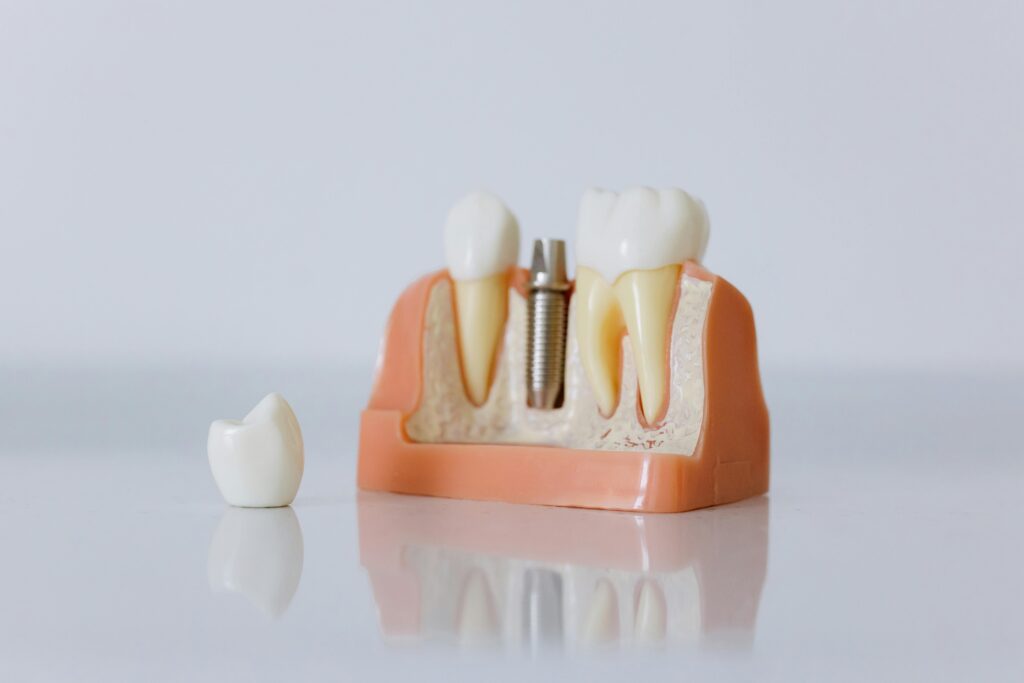
It helps to be precise here. A dental implant is not just a fake tooth. It is a small titanium or ceramic post placed in the jawbone to replace the root of a missing tooth. After healing, the implant supports a crown, or in some cases a bridge or denture component.
That root replacement is the key advantage. A traditional bridge relies on neighboring teeth for support, which can mean drilling healthy enamel. A removable partial denture avoids surgery, but it can move during speech or meals and may not feel natural. A well-integrated implant stands independently, transmits force into bone, and often feels closer to a natural tooth than other options.
For a young adult, this can be especially appealing because it is a conservative option for adjacent teeth and often the most stable long-term solution. But again, “long-term” only works in your favor if placement happens at the right time and in the right conditions.
The age issue is really a growth issue
This is the part many patients do not hear clearly enough. Chronological age and skeletal maturity are not the same thing.
If the jaw is still growing and an implant is placed too early, the implant will not continue erupting or shifting with the natural teeth around it. Natural teeth are suspended in a ligament and can move subtly as the face matures. An implant is fused to bone. It behaves more like an ankylosed tooth, fixed in place while the rest of the dentition and jaws continue to change. That can leave the implant crown looking out of position over time, especially in the upper front of the mouth.
In practical terms, someone may be legally an adult and still not be an ideal candidate if growth has not finished. This is more common in late adolescence, but the exact timing varies. Some females complete growth earlier than males, yet there is enough individual variation that no ethical clinician should make this call by birthday alone. Dentists and oral surgeons often use serial records, bite evaluation, and sometimes imaging or orthodontic input to judge whether growth is complete.
For many patients, the safest implant timing begins after late teenage growth has stabilized. For some, that may be around 18. For others, especially males with ongoing craniofacial development, it may be wiser to wait into the early twenties. This can be frustrating to hear, but waiting is often what protects the cosmetic result.
When implants make excellent sense in a young adult
Once growth is complete and the site is healthy, a dental implant can be one of the best treatments in dentistry. The ideal candidate is not simply “young and healthy.” The ideal candidate has enough bone volume, healthy gums, a stable bite, and the maturity to maintain good home care and routine follow-up.
A common strong indication is a single missing tooth with healthy neighboring teeth. Imagine a 27-year-old who fractured an upper lateral incisor in an accident years after orthodontic treatment. The adjacent teeth are intact and attractive. Cutting them down for a bridge would be hard to justify if the bone and gums can support an implant. In that situation, an implant often preserves more healthy tooth structure and gives a cleaner long-term plan.
Another good example is congenital absence of a tooth, often a lateral incisor or second premolar, when spacing has already been managed through orthodontics. These cases can work beautifully, but they demand coordination. Orthodontic alignment, root positioning, gum architecture, and implant timing all have to be planned carefully. If the roots of neighboring teeth are too close, the implant may not have proper clearance. If the spacing is technically enough for a crown but not enough for a healthy implant platform, problems follow.
Young adults who are missing a back tooth also benefit when chewing efficiency matters and the bite is otherwise stable. A missing lower first molar, for instance, may not be visible in photos, but it carries a heavy chewing load. Replacing it with an implant can help maintain function and limit drifting or overeruption elsewhere.
When caution is smarter than speed
Some situations call for restraint, even when the patient strongly prefers an implant. This is where experience matters. Dentists who place implants regularly tend to think beyond osseointegration alone. They look at where the gums will sit in five years, how the smile line will frame the crown, whether the patient clenches at night, and whether oral hygiene habits are strong enough to support the investment.
Here are common reasons to pause:
- Jaw growth may not be complete.
- Active gum disease or poor plaque control is present.
- Bone volume is insufficient without grafting.
- Smoking, vaping, or uncontrolled medical issues may impair healing.
- The patient is not ready for the time, cost, or maintenance involved.
Each of those deserves context. Gum disease in a 29-year-old is not rare, and placing an implant into an inflamed mouth is asking for future peri-implant problems. Bone deficiency is also common, particularly if the tooth has been missing for a while. Once a tooth is lost, the bone in that area gradually shrinks. The longer the space sits empty, the more likely bone grafting will be needed. Smoking and vaping deserve frank discussion too. Nicotine constricts blood flow and complicates healing. Heavy cannabis smoking can also affect the mouth and home care patterns in ways clinicians notice quickly, even if patients do not volunteer it at first.
Then there is bruxism, the habit of clenching or grinding. A 26-year-old software engineer who grinds through retainers and wakes with jaw soreness may technically qualify for an implant, but the bite design and protective night guard become much more important. An implant has no periodontal ligament to cushion force the way a natural tooth does. Overloading can chip porcelain, loosen screws, or stress the surrounding bone.
Front tooth versus back tooth, the decision is not the same
Patients often think of all missing teeth as essentially the same problem. Clinically, a missing front tooth and a missing molar are very different situations.
A front tooth implant, especially in the upper jaw, is as much a cosmetic procedure as a functional one. The angle of the implant, the thickness of the bone on the front side, the contour of the gum tissue, and the shape of the temporary restoration all influence the final look. If the bone is thin or the gum tissue is delicate, the risk of recession or gray show-through increases. These cases can be spectacular when done well and disappointing when rushed.
A back tooth implant is usually less demanding cosmetically but often takes heavier bite forces. That shifts the planning emphasis. Width, depth, load distribution, and access for cleaning matter greatly. A lower molar site, for example, may be close to a nerve. An upper molar may be close to the sinus. Those anatomical realities shape treatment choices and sometimes make grafting or sinus elevation necessary.
Young adults tend to focus on what is visible. Clinicians also have to focus on what is durable.
The role of temporary solutions while waiting
Waiting for the right time does not mean doing nothing. This is especially important for younger patients who are still growing or who need site development before implant placement.
A resin-bonded bridge, often called a Maryland bridge, can be a useful short- to medium-term solution for a missing front tooth when minimal alteration of neighboring teeth is desired. Essix retainers with a tooth replacement can serve a temporary cosmetic role, though they are not ideal for heavy function. A removable partial can work in selected cases, particularly when multiple teeth are missing or cost is a major concern. Orthodontic retainers can sometimes be modified to maintain space while the patient matures.
These options are not glamorous, and patients often worry they are “settling.” In reality, a good temporary plan can protect bone, maintain aesthetics, preserve space, and buy time for a better implant result later. In many cases, patience is part of the treatment, not an obstacle to it.
Bone grafting is common, not a sign of failure
One point worth demystifying is grafting. Young adults sometimes hear “you need a bone graft” and assume something has gone wrong or that they are bad candidates. Usually, neither is true.
Bone grafting is often simply part of rebuilding a site that has changed after extraction or trauma. If a tooth was removed years ago, or if an accident damaged the socket walls, the implant site may need reinforcement. Grafting can happen at the time of extraction, before implant placement, or in some cases during implant surgery itself, depending on the defect.
The most straightforward way to avoid more extensive grafting is often timely planning right after tooth loss. When a front tooth is extracted, preserving the socket with graft material can limit shrinkage and make the eventual implant much easier to place attractively. That is one reason urgent dental trauma should be evaluated by a team thinking beyond the next two weeks.
Immediate implants sound attractive, but they are not for everyone
The idea of extracting a tooth and placing an implant the same day has understandable appeal. In selected cases, it can reduce treatment time and preserve tissue contours. But it is not automatically the best option for young adults, or anyone else.
Immediate implant placement works best when infection is controlled, the socket anatomy is favorable, the bone walls are intact, and the clinician can achieve strong primary stability. If the tooth fractured below the gumline with minimal bone loss, the case may be suitable. If the area is infected, thin, or damaged, forcing an immediate implant can compromise the result.
There is also a difference between immediate implant placement and immediate loading. A patient may receive an implant on the same day as extraction but still wear a non-chewing temporary while healing. That distinction matters, especially in the front of the mouth where appearance is a priority but overloading is risky.
Cost, maintenance, and the long view
Young adults are often evaluating treatment while paying rent, student loans, or childcare costs. Dental implants can be expensive upfront, and that financial reality should be discussed without awkwardness. The cheapest option today is not always cheapest over 20 years, but Oaks Dental Dental Implants neither is the most sophisticated treatment automatically the wisest if maintenance will be neglected.
An implant also does not get a free pass once placed. It needs meticulous oral hygiene and regular professional review. Implants do not decay, but the tissues around them can become inflamed or infected. Peri-implant mucositis and peri-implantitis are real problems, and they are more likely when plaque control is poor or recall visits lapse.
This is where maturity matters as much as biology. A 23-year-old who flosses reliably, shows up for cleanings, and understands the investment may be a stronger implant candidate than a 33-year-old who disappears for five years between appointments.
How orthodontics changes the picture
Many young adults considering implants have a history of braces or aligners. That history matters. Orthodontic treatment can either create a beautiful implant site or reveal how complex the case actually is.
Space that looks adequate from the front may be too narrow at the roots. A bite that appears straight in selfies may place harmful lateral stress on a planned implant crown. In patients missing teeth from birth, orthodontics often needs to decide whether to open space for a future implant or close space by moving adjacent teeth. That choice depends on facial profile, bite, tooth proportions, and long-term aesthetics.
There is no universal answer. Some lateral incisor spaces are best restored with implants. Others are better managed by canine substitution and cosmetic reshaping, particularly when growth or tissue limitations make an implant less predictable. The best clinicians admit this openly. The goal is not to place an implant at all costs. The goal is the most stable, attractive, maintainable result.
Questions worth asking before you commit
A good implant consultation should feel Dental Implants specific, not generic. Patients should leave understanding not only whether they can have an implant, but why now, why later, or why not at all. It is reasonable to ask direct questions, and strong clinicians usually welcome them.
A short checklist can help:
- Has jaw growth clearly finished?
- Is there enough bone and gum tissue for a stable, aesthetic result?
- Would a bridge or orthodontic alternative serve me better?
- Will I need grafting, a temporary tooth, or staged treatment?
- How will this restoration be maintained over the next decade?
Those questions tend to sharpen the discussion quickly. If the answers are vague, rushed, or overly sales-oriented, a second opinion is sensible.
Realistic expectations matter more than perfect marketing
The marketing around dental implants often suggests a simple, permanent fix. The reality is better described as highly successful treatment that depends on planning, biology, and maintenance. Crowns may need replacement over time. Gum contours can change. Screw-retained parts can require service. None of that means the treatment failed. It means implants live in real mouths, not advertisements.
For young adults, the biggest mistake is often treating the decision as urgent when the biology argues for patience. The second biggest mistake is assuming youth guarantees success. Younger patients often heal well, but they may also have stronger bite forces, evolving tissue contours, and decades of maintenance ahead.
That long horizon is exactly why careful planning pays off. A 25-year-old may live with an implant for half a century. Few dental decisions carry that kind of timeline.
So when are dental implants appropriate for young adults?
They are appropriate when growth is complete, the site is healthy, the bone and soft tissue can support a predictable result, the bite is stable, and the patient is prepared for the financial and maintenance responsibilities. They are especially valuable when a single missing tooth can be replaced without sacrificing healthy neighboring teeth.
They are less appropriate when treatment is driven by urgency rather than readiness, when the jaws are still developing, when gum disease or poor habits are active, or when the cosmetic risks have not been honestly weighed. In those cases, a temporary or alternative solution may be the smarter move.
The best outcomes usually come from a team approach, especially in complex cases: general dentist, oral surgeon or periodontist, and often an orthodontist. Young adults do best when someone is looking not just at the missing tooth, but at the next ten, twenty, and thirty years around it.
That perspective can feel slower than patients want in the moment. It is also what tends to produce the result they hoped for when they first asked about Dental Implants: something that looks right, feels secure, and stays dependable long after the initial stress of losing the tooth has faded.
Oaks Dental
5000 Parkway Calabasas Suite 308
Calabasas, CA 91302, United States
+1 818-431-2000
FAQ About Dental Implants
What is the downside of a dental implant?
Implants require surgery and a healing period that can last several months. Possible complications include infection, nerve or sinus injury, damage to nearby teeth and failure to bond with bone. Your dentist should assess your health, bone support and alternatives before recommending treatment.
What do dental implants typically cost?
There is no single price for every implant case. The number of teeth replaced, implant components, final restoration and any grafting or extractions affect the total. Request a written estimate covering every stage and confirm insurance benefits and out-of-pocket costs with the practice.
How long do tooth implants last?
An implant can provide long-term support and may last a lifetime with good oral hygiene and regular dental care, but this is not guaranteed. The crown or other restoration may need replacement sooner. Smoking, gum disease and some health conditions can reduce implant success.