Dental Implants for Patients With Bone Loss
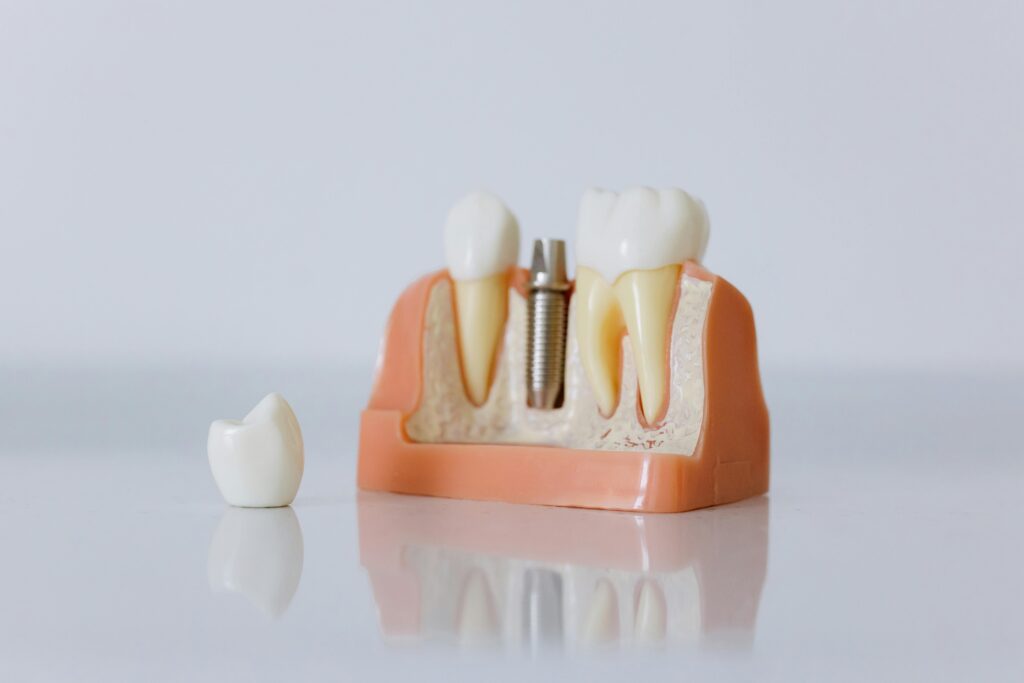

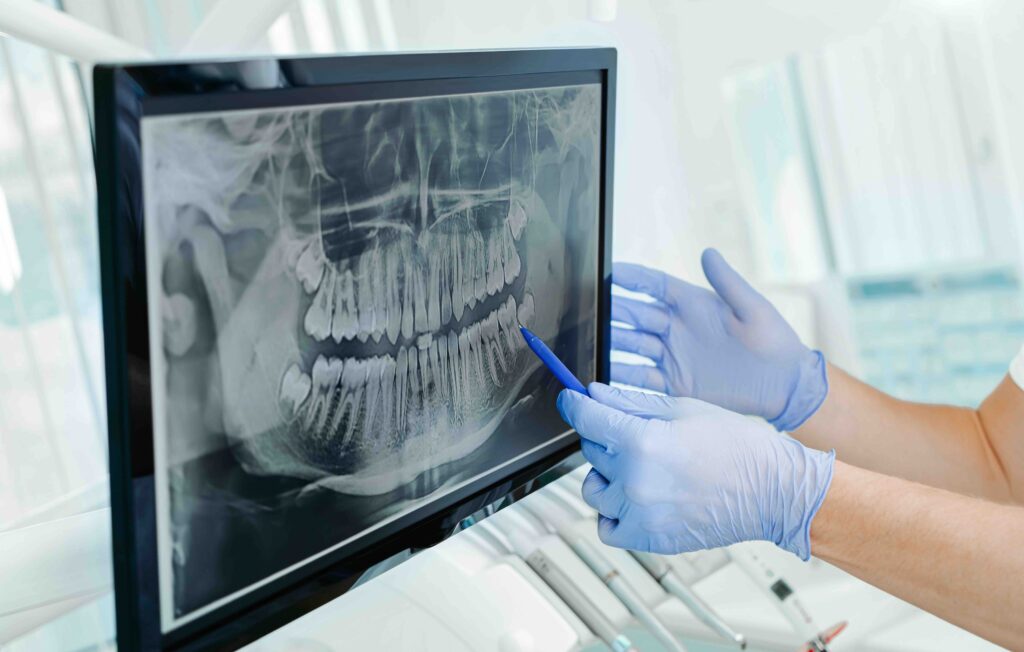
Bone loss changes the conversation around tooth replacement, but it does not automatically rule out Dental Implants. That is one of the most important points patients need to hear early, especially if they have already been told they do not have "enough bone" and assume the door is closed. In practice, bone loss makes treatment more nuanced. It affects planning, timing, technique, cost, and healing. It does not always make treatment impossible.
I have seen many patients arrive frustrated after years of living with loose dentures, avoiding certain foods, or smiling with a hand over their mouth because someone told them implants were not an option. Often the real issue was not whether implants could be done, but how they needed to be done. Sometimes the answer involved grafting. Sometimes it meant using a different implant design or angulation. Sometimes the better path was a fixed bridge on strategically placed implants rather than replacing every missing tooth one for one. Good treatment planning starts there, with options instead of assumptions.
Why bone loss happens after teeth are missing
The jawbone depends on stimulation. Natural teeth transmit chewing forces into the bone through their roots, which helps maintain bone volume. Once a tooth is removed or lost, that stimulation drops sharply. The body starts to resorb the unused bone, and over time the ridge becomes narrower and shorter.
This can happen faster than many people expect. The most significant changes often occur in the first year after an extraction, particularly in the first few months, though the process continues gradually over the years. If gum disease caused the tooth loss, there may already be substantial destruction before the tooth even comes out. Ill fitting dentures can also accelerate the problem by pressing on the gums and underlying bone without replacing the function of tooth roots.
The upper jaw and lower jaw do not behave exactly the same way. In the upper back jaw, bone loss often combines with enlargement of the maxillary sinus, leaving less vertical bone for implants. In the lower back jaw, the location of the nerve becomes a key limitation as bone height decreases. In the front of the lower jaw, bone can remain relatively favorable for a long time, which is one reason this region is often useful in full arch implant planning.
Bone loss is not only about volume. Density matters too. Some patients have enough height and width on a scan, but the bone is soft and requires a different surgical approach. Others have dense bone in a limited space, which may still allow treatment with careful planning. This is why a simple statement like "you have bone loss" is incomplete without a three dimensional evaluation.
What "not enough bone" really means
In a clinical setting, bone is assessed in three dimensions: height, width, and shape. The available bone also has to be judged against nearby structures such as the sinus cavity, adjacent roots, and the inferior alveolar nerve. On top of that, the future tooth position must guide implant placement. If an implant can be placed only by compromising the final bite, speech, or appearance, then the case is not truly ideal, even if the implant can technically be inserted.
That distinction matters. Patients sometimes hear that implants are possible, but they are not told that the resulting teeth may be harder to clean, less esthetic, or under unusual biting forces. A sound plan aims for long term function and maintainability, not just implant placement on the day of surgery.
A cone beam CT scan is often the turning point in these cases. Standard dental x rays are useful, but they flatten a three dimensional problem into a two dimensional image. A CT scan shows the ridge from every angle and reveals the anatomy that determines whether grafting is needed, how much, and where.
Bone loss does not affect every implant case the same way
A single missing front tooth in a patient with a thin gum line presents a different challenge from a full arch case in the back of the mouth. With a front tooth, esthetics are unforgiving. Even a small collapse in the bone and gums can change the look of the smile. In the posterior region, function may dominate the discussion more than appearance, though both still matter.
Full arch treatment creates another category altogether. A patient missing all upper teeth may have extensive bone loss in the back, but still have enough usable bone in the front to support a fixed full arch bridge. That is why some people who are not candidates for multiple individual implants may still be excellent candidates for an implant supported full arch restoration.
This is one of the most reassuring truths in implant dentistry: severe bone loss narrows the menu, but it rarely narrows it to zero.
The main treatment paths when bone is limited
When a patient has bone loss, the treatment plan usually falls into one of several broad strategies. The right choice depends on anatomy, health history, goals, budget, and tolerance for surgical treatment.
- Place implants in the available bone without grafting, if the volume and angulation allow a stable and prosthetically sound result.
- Rebuild the site with bone grafting, then place implants after healing or at the same time when conditions permit.
- Use alternative implant approaches, such as short implants, angled implants, or zygomatic implants in select upper jaw cases.
- Design a restoration that uses fewer strategically placed implants rather than replacing every missing tooth individually.
- Choose a non implant option when surgery would carry too much risk or the expected benefit does not justify the complexity.
That list looks tidy on paper, but real decisions are rarely that simple. A healthy 52 year old missing a lower molar may be well served by grafting and a delayed implant. An 81 year old who has worn dentures for decades and wants better stability may be better off with two or four implants supporting an overdenture or fixed bridge, avoiding extensive grafting. The anatomy matters, but so does the person attached to it.
Bone grafting, what it can solve and what it cannot
Bone grafting is often discussed as if it were a single procedure. It is not. Grafting can range from a small socket preservation at the time of extraction to a major reconstruction of a thin or collapsed ridge. The purpose is straightforward: create a more stable foundation for Dental Implants and support the surrounding gum tissue.
Small grafts are common and predictable. If a tooth is removed and the socket walls are mostly intact, placing graft material into the site can help reduce shrinkage during healing. This does not freeze the bone in place completely, but it often preserves enough structure to make later implant placement easier.
Larger ridge augmentation is more technique sensitive. If the ridge has become too narrow, a surgeon may place particulate graft material, a membrane, or a block graft to rebuild width. If the upper back jaw lacks height because the sinus has expanded downward, a sinus graft may create room for implants. These procedures can be very successful, but they require good blood supply, tension free closure, patience during healing, and realistic expectations.
Patients should understand that a graft is not a guarantee of implant placement. Most grafts work well, but healing varies. Smoking, uncontrolled diabetes, active periodontal disease, and poor oral hygiene all raise the risk of complications. Even in healthy patients, grafts remodel. Sometimes a graft that looks generous on the day of surgery heals into a more modest volume months later. Experienced surgeons account for that. They do not promise perfection.
There is also a time trade off. A straightforward implant in good bone may move from extraction to final tooth in a few months, depending on the situation. A case involving ridge grafting or sinus augmentation may extend the timeline substantially. That does not make it the wrong choice. It simply means the patient should enter treatment with a clear picture of the road ahead.
Short implants and other modern adaptations
Not every patient with reduced bone needs a major graft. Advances in implant design, surface technology, and treatment planning have made it possible in many cases to use shorter implants or place implants at planned angles to avoid anatomical limitations.
Short implants can be especially useful in the back of the mouth where vertical height is limited. Years ago, clinicians often felt longer implants were inherently safer. Current evidence and practical experience have shown that shorter implants can perform well when placed in the right bone, with careful bite design and sufficient width. The case selection still matters. A short implant overloaded by heavy grinding forces or poorly distributed contacts is asking for trouble.
Angled implants can help avoid the sinus in the upper jaw or bypass the nerve in the lower jaw. In full arch cases, this approach can allow support for a fixed prosthesis without extensive grafting. The technique is not a shortcut for careless planning. It requires precise imaging, restorative coordination, and enough surgical experience to execute the plan accurately.
In the most severe upper jaw resorption cases, zygomatic implants may be considered. These anchor into the cheekbone rather than the atrophic upper jaw. They can be life changing for some patients who otherwise face complex grafting or prolonged denture dependence. They are also highly specialized and not appropriate for routine cases. When this option is discussed, it is worth asking how often the surgeon performs it and what alternatives exist.
Gum tissue matters almost as much as bone
Patients tend to focus on bone because it sounds structural and decisive. Yet the gum tissue around implants matters nearly as much, especially in visible areas. Thin or deficient soft tissue can make an implant look long, shadowed, or asymmetric even if the implant itself is integrated perfectly.
I have seen technically successful implants that disappointed patients because no one addressed the soft tissue architecture. A front tooth implant may need not only enough bone to hold the implant, but also enough support to create a natural gum line and papillae between the teeth. If the ridge has collapsed severely, a patient may need to choose between more extensive grafting or a result that is functionally strong but esthetically compromised.
That is not a reason to avoid treatment. It is a reason to have an honest conversation before treatment starts.
Timing, immediate versus staged treatment
One common question is whether an implant can be placed the same day a tooth is removed. Sometimes yes, even in cases with early bone loss. Immediate implant placement can shorten treatment and help preserve tissue contours. But it works best when the infection is controlled, the socket walls are favorable, and there is enough native bone to stabilize the implant.
In cases with more advanced bone loss, staging often produces a more predictable result. The tooth is removed, the site is cleaned thoroughly, grafting is performed if needed, and the area is allowed to heal before implant placement. This slower route can feel frustrating, especially for patients eager to Dental Implants "get it done," but haste is expensive in implant dentistry. If the foundation is weak, speed rarely helps.
The right timing is a clinical judgment call. The best surgeons are not trying to win a race. They are trying to lower the chance that the patient needs retreatment.
Who is a good candidate despite bone loss
Bone loss by itself does not disqualify a person from implants. Several other factors carry equal or greater weight. General health, tobacco use, diabetes control, history of periodontal disease, medications that affect healing, and oral hygiene all shape the risk profile.
A patient with moderate bone loss who is medically stable, committed to maintenance, and free of active gum infection may be a strong candidate. A patient with more bone available but uncontrolled periodontal disease and heavy smoking may be a weaker one. The biology does not care how motivated someone feels on consultation day if the conditions for healing are poor.
There are also bite forces to consider. Patients who clench or grind heavily can still receive implants, but the restorative design may need to be adjusted. That might mean more implants, a wider implant where anatomy allows, a night guard, or a different material for the final restoration. Bone loss often reduces the margin for error, so these mechanical details matter more, not less.
Questions worth asking before you commit
Many patients do not know what to ask when they are told they have bone loss. A useful consultation should leave them with a clear sense of diagnosis, options, limitations, and sequencing.
- How much bone is missing, and in which dimensions?
- Do I need grafting, or is there a reliable way to avoid it?
- What are the pros and cons of a staged approach versus same day treatment in my case?
- How will this plan affect the look of my gums and smile, not just the implant itself?
- If a graft or implant does not heal as expected, what is the backup plan?
A thoughtful clinician should be able to answer those questions plainly. If the answers are vague, rushed, or heavily sales driven, it is reasonable to pause. Bone loss cases reward precision and experience. They do not benefit from pressure.
Recovery and aftercare are part of the treatment, not an afterthought
For patients with bone loss, the surgery is only one chapter. Healing determines whether the plan succeeds. After grafting or implant placement, small lapses can have outsized consequences. Smoking during early healing can compromise blood flow. Poor plaque control can inflame the tissue around a new implant. An unstable temporary denture that rubs on a grafted site can disrupt the result that surgery was meant to create.
That is why post operative instructions are not generic paperwork. They should be tailored to the procedure. A patient who has undergone a sinus graft needs guidance on sneezing, nose blowing, and pressure changes. A patient with a lower ridge augmentation may need close monitoring of denture pressure points. A full arch patient healing with immediate temporaries needs to understand the importance of staying on a soft diet, even if the provisional teeth feel strong.
The long term maintenance story matters too. Implants do not get cavities, but they can fail from inflammation and bone loss around them. Patients who lost teeth due to periodontitis remain susceptible to similar bacterial and inflammatory challenges around implants. Professional maintenance, home care, and regular monitoring are not optional add ons. They are part of ownership.
Cost, complexity, and the value of choosing the right plan
Bone loss often increases cost, but not always in the way patients expect. A plan with extensive grafting may be biologically elegant, yet not necessarily the best value if a less invasive design can provide durable function and acceptable esthetics. On the other hand, choosing the cheapest path can become expensive if it leads to difficult hygiene, repeated repairs, or early failure.
The real question is not "What is the least expensive implant?" It is "What plan gives me the best chance of a stable result I can maintain?" Sometimes that means investing in grafting to support a front tooth properly. Sometimes it means declining a heroic reconstruction in favor of a simpler implant supported denture that restores confidence and chewing comfort without unnecessary surgical burden.
Patients appreciate candor here. Not every mouth needs the most complex treatment available. Restraint is part of expertise.
When a second opinion is especially useful
A second opinion is not a sign of distrust. In implant cases involving bone loss, it is often just good judgment. This is especially true when one office says implants are impossible, another says they are easy, and neither has shown you a CT based explanation.
Different surgeons have different comfort zones and toolkits. One may favor grafting. Another may have extensive experience with short implants or full arch solutions that avoid major augmentation. Those differences are real, and they can change what is offered. A second opinion helps separate an anatomical limitation from a provider limitation.
The best second opinions do not simply contradict. They clarify.
The practical outlook for patients with bone loss
Most patients with bone loss have more options than they think. Some will need grafting. Some will benefit from strategic implant placement that works around the missing bone. Some will do better with a full arch concept than with multiple single implants. A smaller group will be better served by non implant treatment because the risks outweigh the likely benefits.
What matters is not whether the jawbone looks perfect. Very few adult patients seeking implants have perfect anatomy. What matters is whether a treatment plan respects the biology, the mechanics, and the patient's priorities.
Dental Implants can be highly successful in patients with bone loss when the planning is careful and the expectations are honest. The strongest outcomes usually come from teams who are willing to slow down, study the scan, explain the trade offs, and build a plan that fits the individual rather than forcing the individual into a template. That is where confidence should come from, not Dental Implants from hearing "yes" quickly, but from understanding why the answer is yes, what it will require, and how the result will be protected for years to come.
Oaks Dental
5000 Parkway Calabasas Suite 308
Calabasas, CA 91302, United States
+1 818-431-2000
FAQ About Dental Implants
What is the downside of a dental implant?
Implants require surgery and a healing period that can last several months. Possible complications include infection, nerve or sinus injury, damage to nearby teeth and failure to bond with bone. Your dentist should assess your health, bone support and alternatives before recommending treatment.
What do dental implants typically cost?
There is no single price for every implant case. The number of teeth replaced, implant components, final restoration and any grafting or extractions affect the total. Request a written estimate covering every stage and confirm insurance benefits and out-of-pocket costs with the practice.
How long do tooth implants last?
An implant can provide long-term support and may last a lifetime with good oral hygiene and regular dental care, but this is not guaranteed. The crown or other restoration may need replacement sooner. Smoking, gum disease and some health conditions can reduce implant success.