Dental Implants Calabasas CA for a Permanent Tooth Replacement Option
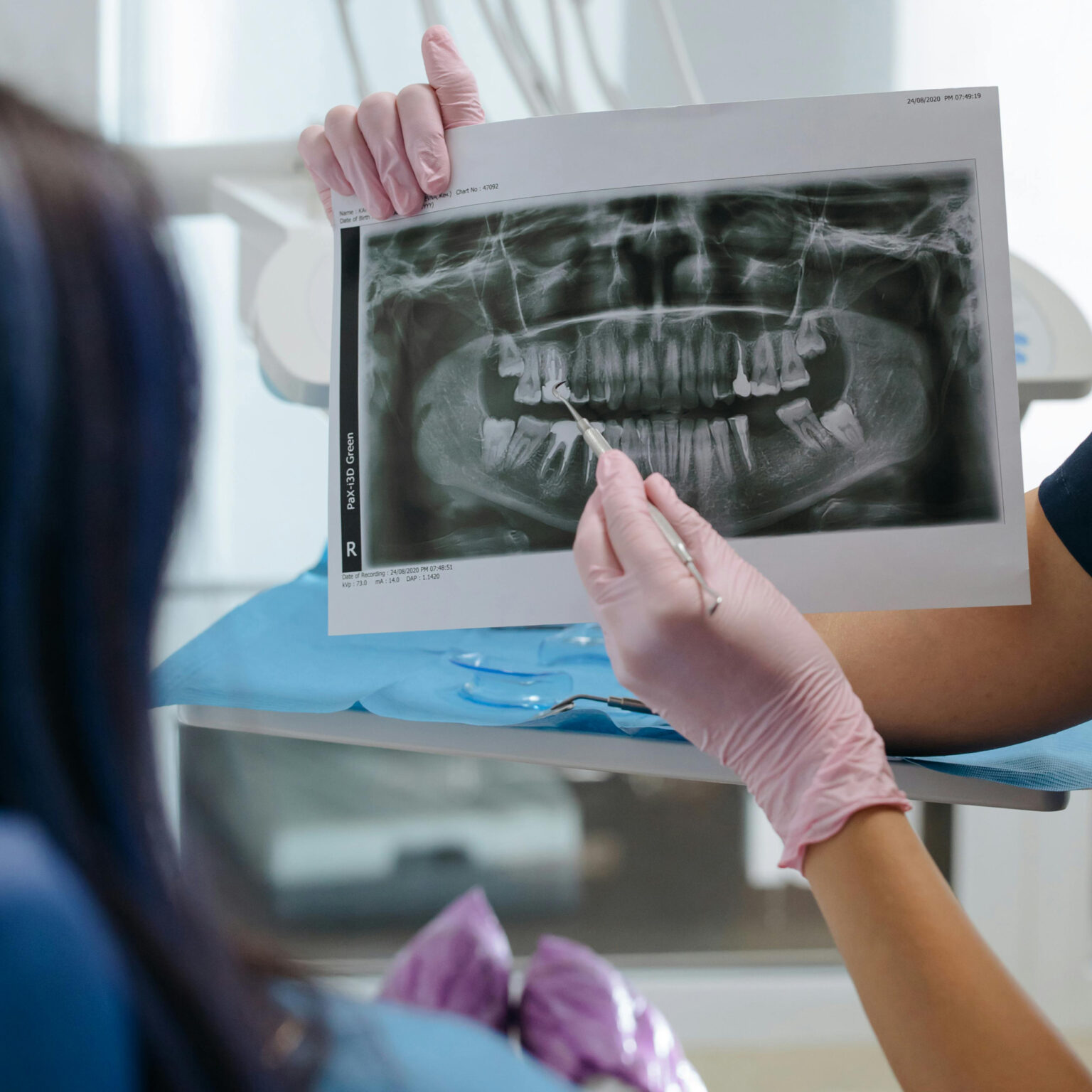
Losing a tooth changes more than a smile. It affects the way food feels when you chew, the confidence behind a conversation, and over time, even the shape of the jaw. People often arrive at the point of considering implants after living with a missing tooth longer than they expected. At first, it seems manageable. They chew on one side, smile with their lips closed, or rely on a removable appliance. Months later, small compromises start adding up.
That is why dental implants continue to be one of the most reliable long-term solutions for missing teeth. For patients researching Dental Implants Calabasas CA, the real question is usually not whether implants are popular. It is whether they are the right fit for their health, budget, timeline, and goals. A permanent tooth replacement sounds appealing, but the best treatment decisions come from understanding the full picture, not just the headline benefit.
An implant is designed to replace the root of a missing tooth and support a custom restoration above it. When treatment is planned well, the result can feel remarkably close to a natural tooth. It does not shift the way a removable denture can. It does not require adjacent healthy teeth to be reduced the way a traditional bridge often does. It also helps preserve bone in the jaw, which matters more than most patients realize when they first begin asking questions.
Why permanence matters more than convenience
Temporary solutions can absolutely serve a purpose. A flipper, partial denture, or bridge may be appropriate in certain situations, especially during healing or when someone wants to delay a more involved procedure. But permanence has practical advantages that go beyond the idea of something being “fixed in place.”
The jawbone depends on stimulation. Natural tooth roots provide it every time you bite and chew. When a tooth is lost, that stimulation fades, and the bone in that area begins to shrink. This resorption is not dramatic overnight, but it is persistent. Over several years, it can alter the contour of the gumline and reduce support for neighboring teeth. In the back of the mouth, it may also make later implant placement more complex if significant bone has already been lost.
A dental implant helps address that issue because it functions as a replacement root. Once integrated with the bone, it transmits force through the jaw in a way that supports long-term stability. Patients often notice the immediate upside, which is firmer chewing and a complete smile. Clinicians tend to think one step further ahead. The lasting value is often in what the implant helps prevent.
This becomes especially relevant for adults who want to avoid the cycle of replacing appliances every few years. A bridge may need future repair or replacement. A removable partial may loosen as the mouth changes. An implant restoration can still require maintenance, but the underlying concept is built for longevity.
What a dental implant actually includes
People often use the word “implant” to describe the whole tooth replacement, but it is really a three-part system. Understanding that helps set realistic expectations about treatment and cost.
The implant post is the small fixture, usually titanium or a titanium alloy, placed in the jawbone. After healing, an abutment connects that post to the visible tooth replacement. The final crown is the custom-made portion that looks like a natural tooth above the gumline. In a multi-tooth case, implants can also support bridges or full-arch restorations.
This matters because each component has a job. If a crown chips years later, that does not necessarily mean the implant itself failed. If the gum tissue around the implant becomes inflamed, the issue may be hygiene or bite force, not the material. Separating the parts conceptually helps patients understand both the process and the maintenance involved.
The best candidates for Dental Implants Calabasas CA
Dental Implants Calabasas CAMany healthy adults qualify for implants, but not everyone is a same-day, straightforward case. Good candidacy depends on a mix of oral health, bone quantity, gum condition, medical history, and lifestyle factors.
A patient who lost a tooth recently and maintained healthy gums may be an excellent candidate for a relatively simple procedure. Another patient who has worn a partial denture for ten years may still be a candidate, but could need bone grafting first. Someone with diabetes may do very well if blood sugar is controlled, while uncontrolled diabetes can interfere with healing. Smokers can receive implants, but smoking raises the risk of complications and long-term implant problems. Heavy clenching and grinding also require careful planning because repeated force can damage the restoration or strain surrounding tissue.
Age by itself is usually less important than health status and bone maturity. A healthy person in their sixties or seventies may be a far better implant candidate than a younger adult with untreated periodontal disease and poor oral hygiene habits.
In practice, the strongest candidates tend to share a few traits:
- They have stable gums or are willing to complete gum treatment first.
- They understand that healing takes time, even when the final result looks seamless.
- They are committed to consistent home care and dental maintenance visits.
- They want a long-term solution and are prepared to invest in proper planning.
- They are realistic about the possibility of grafting or staged treatment.
That final point matters. Some of the best implant outcomes come from patients who did not insist on speed. They allowed time for extraction sites to heal, grafts to mature, and bite forces to be balanced properly.
A closer look at the treatment process
Implant treatment is not one single appointment. It is a sequence, and each phase affects the next. For many patients, the process begins with imaging and planning. A clinical exam and three-dimensional scan help evaluate bone width, bone height, sinus position in the upper jaw, and the location of nerves in the lower jaw. This is where good planning earns its keep. Implant placement is not just about finding bone. It is about placing the implant where the final tooth should be.
If a failing tooth is still present, extraction may come first. In some cases, an implant can be placed immediately after extraction. In others, the socket needs time to heal or requires bone grafting to preserve volume. There is no one-size-fits-all answer here. Immediate placement can be efficient and effective when conditions are favorable, but forcing it in a compromised site often creates more esthetic and structural problems later.
After the implant is placed, a healing period follows. During osseointegration, the bone bonds with the implant surface. That stage often takes several months, though exact timing varies. During this period, some patients wear a temporary tooth, especially in the front of the mouth where appearance matters most. Others leave the area unrestored briefly if it is not visible when they smile.
Once integration is confirmed, the restorative phase begins. The provider captures the implant position, shapes the surrounding tissue if needed, and designs the final crown, bridge, or denture. That restoration must look natural, but appearance is only half the equation. It also has to fit the bite correctly. An implant does not have the same cushioning effect as a natural tooth, so the bite relationship must be precise.
One pattern seen often in real life is that patients focus on surgery, then are surprised by how much artistry is involved in the finishing stage. The final result depends heavily on contour, shade, gum support, and how the crown emerges from the tissue. This is especially true for front teeth.
When bone grafting enters the conversation
Hearing the words “bone graft” can make patients nervous, but grafting is a common and useful part of implant dentistry. It is not a sign that something went wrong. It is often the reason a long-term result becomes possible.
Bone loss can occur after extractions, trauma, infection, or years of wearing a denture. In the upper back jaw, the sinus can also limit available height. Grafting may be minor, such as adding particulate bone to preserve an extraction site, or more involved, such as rebuilding a ridge or performing a sinus augmentation.
The key point is that grafting is done to create enough support for an implant to function properly and look natural. Without adequate bone, an implant may be poorly positioned, unstable, or esthetically compromised. Patients sometimes ask whether grafting can be skipped to save time or money. In some borderline cases, alternative treatment plans exist. But if the graft is truly necessary, skipping it usually means compromising the final outcome.
A useful way to think about it is foundation before finish. No one sees the support under the crown, but the restoration depends on it.
Single tooth replacement versus multiple missing teeth
Replacing one missing tooth is the situation many people picture first, yet implants are just as valuable in more complex cases. A single implant and crown can stand on its own without involving adjacent teeth. That is often ideal when the neighboring teeth are healthy and intact.
When several teeth are missing in a row, implants can support a bridge instead of replacing each tooth individually. This can reduce the total number of implants while still delivering excellent stability. For patients missing all teeth in an arch, a full-arch implant restoration may provide significantly more retention and function than a conventional denture.
Each approach has trade-offs. More implants can mean more support and flexibility, but also higher cost and additional surgery. Fewer implants may lower expense, yet the design has to account carefully for force distribution and hygiene access. There is no universal best option. The best option is the one that balances anatomy, function, appearance, and maintenance.
Appearance in the smile zone
Front tooth implants demand a different level of planning. Back teeth need strength. Front teeth need strength and beauty, and beauty is more technically demanding than many people expect.
The gumline around a front implant has to frame the crown naturally. If tissue volume is thin or has already receded, the restoration can look longer than the adjacent teeth or show a dark space near the gum. This is where timing, grafting, provisional restorations, and surgical precision become especially important.
Patients pursuing Dental Implants Calabasas CA often care deeply about a natural-looking result, especially in highly visible smiles. In those cases, the implant position must be prosthetically driven, meaning planned around the final esthetic result rather than simply placed where bone seems convenient. Sometimes orthodontic movement, tissue grafting, or staged treatment creates a much better result than rushing straight to surgery.
This is an area where experience shows. A technically integrated implant is not automatically an esthetic success. Both matter.
Recovery and what healing really feels like
Most patients are pleasantly surprised that implant placement is less dramatic than they feared. Discomfort is often manageable with routine medication, and many people return to work quickly, especially after placement of a single implant. That said, recovery depends on the complexity of the case. A straightforward posterior implant feels very different from a full-arch surgery with multiple extractions and grafting.
Swelling usually peaks in the first few days, and soreness can last longer when grafting is involved. Soft foods are often recommended at first, but the duration varies depending on the site and whether a temporary restoration is being worn. The bigger challenge for some patients is not pain, but patience. Healing is biologic. It cannot be rushed just because a calendar is inconvenient.
The providers who Dental Implants Calabasas CA see the smoothest recoveries tend to give patients very specific instructions, and patients who follow them closely do best. That includes keeping pressure off the site, maintaining careful hygiene, and returning for follow-up exams even if everything feels fine.
How implants compare with bridges and dentures
A lot of treatment decisions become clearer when patients understand not just the benefits of implants, but the trade-offs compared with alternatives.
A traditional bridge can be an effective option, particularly when neighboring teeth already need crowns. It is usually faster than an implant and avoids surgery. The downside is that healthy adjacent teeth may need to be prepared, and the missing tooth area still does not receive root-level stimulation to preserve bone.
A removable partial denture costs less upfront in many cases and can replace several teeth without surgery. For some patients, that is the right path. The compromises are comfort, stability, chewing efficiency, and the ongoing changes in fit as the jaw remodels.
Full dentures restore appearance and basic function for people missing all teeth, but lower dentures in particular can become frustratingly loose over time. Implant-supported dentures or fixed full-arch options often improve security and quality of life in a way that conventional dentures cannot match.
When patients weigh options honestly, the decision often comes down to priorities. If the top priority is lowest immediate cost, implants may not win. If the priority is preserving bone, avoiding removable appliances, and building a durable replacement, implants are often hard to beat.
Cost, value, and why estimates vary
Implant fees vary for legitimate reasons. Materials, imaging, surgical complexity, grafting needs, temporary restorations, sedation, lab quality, and final crown design all affect cost. A simple single implant in a healthy site is very different from a case requiring extraction, grafting, custom healing components, and a highly esthetic anterior crown.
Patients sometimes compare quotes from different offices and assume one is overpriced or one is a bargain. The truth is usually more nuanced. One estimate may include components that another lists separately. One office may use a more customized restorative workflow. Another may be quoting only the surgical phase and not the final crown.
The better conversation is about total treatment scope and expected longevity. A lower upfront number is not always lower in the long run if it leads to more maintenance, revision, or esthetic compromise. Value in implant dentistry comes from planning, execution, and follow-through, not from the lowest fee on paper.
Choosing the right provider in Calabasas
Local convenience matters, but experience matters more. Implant dentistry sits at the intersection of surgery, restorative design, and long-term maintenance. Some providers perform both surgical and restorative phases in one office. Others work closely as a team with specialists. Either model can work very well if communication is strong and the plan is cohesive.
When evaluating options for Dental Implants Calabasas CA, patients should pay attention to how thoroughly the case is assessed. Good consultations usually include discussion of medical history, gum condition, bite habits, imaging, esthetic expectations, and alternatives. If the conversation feels rushed or the plan seems identical to every other case, that is worth noting.
A thoughtful provider will also explain what could complicate treatment. That might include limited bone, thin tissue, smoking, grinding, sinus anatomy, or the condition of adjacent teeth. Real expertise includes identifying the easy parts and the difficult parts with equal clarity.
Caring for implants so they last
Implants do not decay, but they are not maintenance-free. The surrounding tissue can still become inflamed, and bone can still be lost if plaque accumulates or excessive force goes unchecked. Patients who assume implants can be ignored because they are “artificial” are often disappointed later.
Daily care is straightforward but important. Brushing, cleaning around the implant carefully, and keeping regular hygiene visits all matter. Some patients benefit from floss threaders, interdental brushes, or water flossers, depending on the restoration design. Nightguards are often wise for people who clench or grind.
Long-term success is usually tied to a few consistent habits:
- Keep the gums healthy with meticulous daily cleaning.
- Attend recall visits so early inflammation or bite issues are caught quickly.
- Report looseness, soreness, or changes in chewing rather than waiting months.
- Use a nightguard if grinding has been diagnosed.
- Avoid smoking when possible, especially during healing and early integration.
In well-maintained cases, implants can serve patients for many years. That does not mean every crown lasts forever without adjustment, but it does mean the foundation can remain stable and functional for a very long time.
When an implant may not be the best answer
It is worth saying plainly that implants are excellent, but they are not mandatory. There are cases where another solution makes more sense. A patient with significant uncontrolled gum disease needs stabilization first. Someone with severe medical risks may be better served by a simpler approach. A patient who cannot commit to hygiene and maintenance may not protect the investment adequately.
There are also situations where preserving a natural tooth, even a compromised one, is preferable to extraction and implant placement. That decision requires judgment, not marketing. Good dentistry is not about replacing every questionable tooth with an implant. It is about selecting the treatment that offers the best prognosis with the least unnecessary intervention.
That is often the most reassuring sign in a consultation. When a provider is willing to discuss alternatives openly, including reasons not to place an implant, the recommendation tends to carry more credibility.
The long view
A missing tooth may seem like a localized issue, but its effects spread into chewing, speech, appearance, bone support, and day-to-day comfort. Dental implants offer a way to replace what was lost in a manner that is functional, stable, and close to natural. For many adults, that permanence is the real value. It is not just about filling a gap. It is about restoring normalcy and protecting the mouth against further change.
For anyone exploring Dental Implants Calabasas CA, the smartest next step is not chasing the fastest promise. It is getting a careful evaluation, understanding the condition of the bone and gums, and building a plan that respects both the biology and the final result. When those pieces come together, implants can be one of the most satisfying investments a patient makes in oral health.
Oaks Dental
5000 Parkway Calabasas, Suite 308
Calabasas, CA 91302, United States
Phone: +1 (818) 412-8349
FAQ About Dental Implants Calabasas CA
How much does a dental implant cost in California?
Costs vary with the number of teeth replaced, restoration type, imaging, and any extractions or bone grafting. Request an itemized estimate after an examination; a single advertised price may not include every treatment stage.
Can people with autoimmune disease get dental implants?
Some people may qualify, but the condition, medications, oral health, and healing risks require individual assessment. Share your medical history with your dentist, who may coordinate with your treating physician.
Can you have dental implants if you have osteopenia?
Osteopenia does not by itself establish whether implants are suitable. Your dentist must evaluate jawbone support and review bone-related medications and other risks before recommending treatment.