Dental Implants Calabasas CA and the Benefits of Early Treatment
Missing a tooth rarely stays a single-tooth problem for long. Patients often come in focused on the visible gap, especially if it shows when they smile, but the more important changes usually happen below the gumline and farther back in the bite. Bone begins to thin where the root used to be. Nearby teeth drift. The opposing tooth can slowly erupt out of position because it no longer meets resistance. What starts as one missing tooth can become a chain reaction that affects chewing, appearance, comfort, and long-term cost.
That is why timing matters so much with implant care. When people search for Dental Implants Calabasas CA, they are often comparing materials, looking at before-and-after photos, or trying to understand price. Those are valid concerns, but early treatment deserves equal attention. In many cases, acting sooner preserves more options, shortens treatment, and reduces the need for added procedures later.
A dental implant is not simply a replacement tooth. It is a replacement root anchored in bone, typically topped with a crown after healing. That root-like support changes the conversation entirely. Bridges and removable appliances can restore appearance and some function, but implants help maintain the structure that tends to disappear after tooth loss. That difference becomes more significant with every month and year that passes.
What actually happens after a tooth is lost
The body is practical. It keeps what it uses and removes what it no longer needs. The jawbone that once held a tooth depends on stimulation from chewing forces transmitted through the root. Once that root is gone, the bone in that area starts to remodel and shrink. This process can begin quickly, often in the first several Dental Implants Calabasas CA months, and it may continue gradually over time.
Patients are often surprised by how much this matters, especially when the missing tooth is in the back. If no one can see the space, it can feel easy to postpone treatment. Yet back teeth do the heavy work of chewing and help maintain the vertical support of the bite. Lose one molar and the neighboring teeth pick up extra stress. Leave the space open long enough and those neighboring teeth may tip into it, collecting more plaque, becoming harder to clean, and changing the way the upper and lower teeth meet.
The cosmetic effects are not limited to the front teeth, either. Over years, multiple missing teeth can contribute to a collapsed bite and a more aged facial appearance. People sometimes assume this only happens in severe denture cases, but the earliest changes start much sooner than most expect.
Why early treatment can make implant care simpler
Early implant planning often allows a dentist or specialist to work with the anatomy as it exists now, not after months or years of deterioration. That distinction matters. Stronger bone volume and healthier gum architecture generally make implant placement more straightforward and more predictable.
In practical terms, early treatment can help in several ways:
- preserve more natural bone at the extraction site
- reduce the likelihood of tooth drifting and bite changes
- improve the chances of ideal implant positioning
- limit the need for extensive grafting later
- restore function and confidence sooner
None of that means every missing tooth requires immediate same-day treatment. Real life does not work that way. Some patients need time to heal from an infection. Others need a sinus lift, bone grafting, or medical clearance before surgery. Still, early evaluation is different from rushed treatment. Even if the implant itself is placed later, planning early can prevent avoidable complications.
A common example is a fractured molar that cannot be saved. If the tooth is removed and the area is left alone indefinitely, the ridge may narrow enough that implant placement later requires grafting that could have been minimized, or at least anticipated, earlier. By contrast, when the site is evaluated promptly, there may be an opportunity for socket preservation, a graft placed at the time of extraction to support the future implant site. That one decision can materially change the path ahead.
The first months matter more than most people realize
Patients frequently ask whether waiting six months or a year really makes a difference. Often, yes. The amount varies from person to person, but the early post-extraction period is when some of the fastest remodeling occurs. The outer wall of bone, especially in the front of the mouth, can be thin and vulnerable to collapse. Once lost, it does not magically return on its own.
This has implications for both health and appearance. In the front, delayed treatment may increase the risk of gum recession, shadowing, or less natural contours around the final crown. In the back, the concern tends to be bone width, sinus proximity in the upper jaw, or the shifting of adjacent teeth. Each area presents its own challenges, but the principle is the same: the longer the delay, the more the landscape can change.
There is also the question of habit. People adapt to missing teeth faster than they expect. They chew on one side. They avoid certain foods. They stop smiling fully. These adjustments can become normal enough that treatment no longer feels urgent, even while the mouth is compensating in unhealthy ways. I have seen patients who waited because they “weren’t really bothered,” only to return later with a cracked neighboring tooth or a bite that had clearly shifted. The implant was still possible, but the treatment had become more involved.
Early treatment does not always mean immediate placement
This point deserves clarity, because implant timelines vary widely. Some teeth can be extracted and replaced with an implant very soon, occasionally even the same day in carefully selected cases. Others should not be. Active infection, insufficient stability, thin tissue, grinding habits, smoking, or a complex bite may call for a staged approach.
The best treatment is not the fastest treatment. It is the treatment that respects biology, function, and long-term esthetics. In a straightforward posterior site with good bone and no uncontrolled disease, early placement can be efficient and highly predictable. In an esthetic zone case involving a damaged front tooth, preserving the contour of the gum and supporting bone may require a more nuanced plan, temporary restorations, and close coordination between the surgeon and restorative dentist.
That nuance is one reason local expertise matters. Patients looking into Dental Implants Calabasas CA are usually not just buying a screw and a crown. They are choosing diagnostic judgment. Good implant dentistry involves imaging, bite analysis, soft-tissue management, and realistic conversations about timeline and maintenance. The earlier that evaluation happens, the more options tend to remain on the table.
How bone grafting fits into the discussion
Bone grafting often sounds more intimidating than it is, but it is still a surgical procedure, and it adds cost, healing time, and complexity. Not every patient needs it. Many do not. Dental Implants Calabasas CA Oaks Dental But when a site has been missing a tooth for years, the chance of needing some form of augmentation rises.
A minor graft placed at extraction is usually different from reconstructing a deficient ridge years later. That distinction matters. Early intervention may allow for preservation rather than reconstruction. Preservation tends to be more conservative, and in many cases easier on the patient. If treatment is delayed long enough for the ridge to flatten or narrow significantly, placing the implant in an ideal prosthetic position can become more difficult. The surgeon may have to rebuild what time has taken away.
There is no need to dramatize this. Modern grafting procedures are common and often successful. The point is simpler: if earlier action can reduce the need for added surgery, that is worth considering.
Cost is not only the implant fee
People understandably compare implant prices. Yet total cost often has less to do with the implant fixture itself than with the condition of the site at the time treatment begins. Two patients may both need a single implant, but one requires only extraction, implant placement, and a crown, while the other needs imaging, grafting, a membrane, several months of healing, then implant placement and restoration. The difference is not just in the invoice. It is also in appointments, time off work, healing phases, and mental bandwidth.
This is one of the quiet advantages of early treatment. It can be financially protective. Not always, and not universally, but often enough that patients should hear it plainly. Waiting can feel like saving money in the short term. Sometimes it is. Other times it shifts the case from simple to advanced, and the delayed bill is larger.
That said, finances are real. Many households need time to plan, and no ethical clinician should dismiss that. If immediate treatment is not feasible, early consultation is still valuable. A dentist can outline what needs to happen first, what can safely wait, and whether a temporary solution is wise. Even a short-term removable option can be part of a thoughtful strategy if everyone understands the goals and risks.
Medical and lifestyle factors that influence timing
Implants have strong long-term success rates, but they are not detached from overall health. Gum disease, smoking, poorly controlled diabetes, certain medications, heavy clenching, and inadequate home care can all affect healing and maintenance. Early treatment works best when it includes risk assessment, not just scheduling.
Patients do well when they understand a few key truths:
- an implant can get inflamed if plaque control is poor
- smoking increases the risk of healing problems and complications
- untreated periodontal disease can threaten implant support
- night grinding may require a protective guard
- stable general health improves surgical predictability
These are not scare tactics. They are the realities of responsible care. The good news is that many risk factors can be improved. Smokers who cut back or quit around surgery often heal better. Patients who address active gum disease before implant placement tend to have healthier long-term outcomes. People who wear a night guard protect both implants and natural teeth from excessive force.
Early treatment supports this preparation. If a patient needs medical coordination or behavior changes before surgery, starting the conversation now helps avoid a rushed decision later.
The esthetic benefit of not waiting too long
When the missing tooth is in the smile zone, timing becomes even more consequential. The front teeth are judged not only by color and shape, but by symmetry, gum level, contour, and how light reflects off the surfaces. A technically successful implant can still disappoint aesthetically if the tissue architecture has collapsed before treatment begins.
Preserving appearance in the front often depends on managing the extraction site with care. That may include grafting, custom temporaries, or staged procedures designed to support the gum and papillae, the small triangular gum peaks between teeth. Once those contours flatten, recreating them can be challenging.
Patients usually notice esthetics in very human terms. They say the replacement tooth looks longer, the gum line seems uneven, or the area feels “different” when they smile. Those concerns are valid. A natural-looking result is not accidental. It is usually the product of planning, timing, and respect for the tissue from the beginning.
Function deserves as much attention as appearance
A beautiful implant crown that feels wrong in the bite is not a success. Early treatment helps function because it preserves the original relationships among the teeth. When a space is left open for too long, the neighboring teeth may tilt, the opposing tooth may overerupt, and the available room for the future crown may narrow or change shape. That can complicate restoration and make achieving a comfortable bite harder.
Function also matters in subtler ways. Patients missing a lower molar often shift chewing to the opposite side without realizing it. Over time, they may overwork certain teeth or aggravate jaw discomfort. Restoring posterior support can rebalance chewing and reduce concentrated stress elsewhere in the mouth.
This is especially relevant for adults who already have worn enamel, old crowns, or a history of fractures. Their teeth have less margin for imbalance. Replacing a missing tooth earlier can be part of protecting the rest of the dentition, not just fixing one gap.
Who benefits most from acting early
The short answer is almost everyone with a non-restorable tooth or a recent loss benefits from early evaluation. Still, some groups have more to gain than others.
A younger adult who loses a tooth from trauma often has excellent healing potential and many decades ahead to preserve bone and function. Early planning can set that person up for a more conservative, better-looking result.
A middle-aged patient with a demanding job and little tolerance for multiple rounds of treatment often benefits because timely care may reduce the number of procedures and shorten the total timeline.
An older adult can also benefit significantly. Age alone is not a barrier to implants. In many healthy older patients, restoring chewing efficiency with a stable implant is far easier than adapting to a removable solution. What matters more than age is medical status, bone condition, and personal goals.
What a thorough early evaluation should include
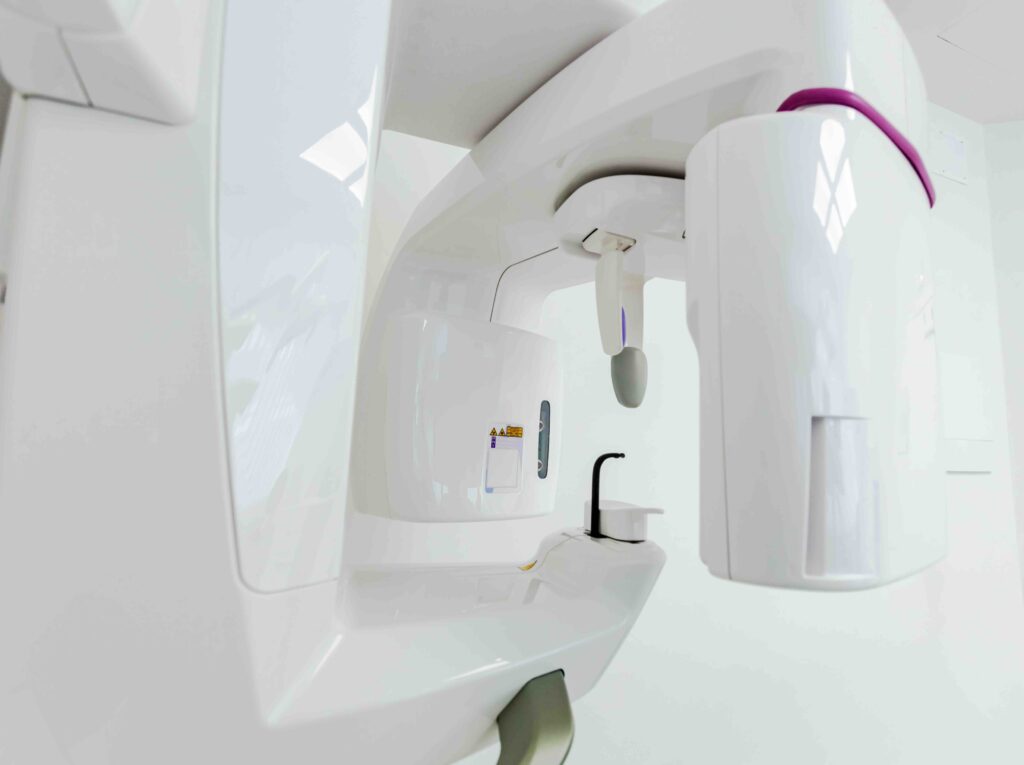
A proper implant consultation is more than a quick glance at a missing tooth. It should look at the full picture: bone volume, gum quality, neighboring teeth, bite forces, sinus anatomy when relevant, and the patient’s habits and health history. Three-dimensional imaging is often valuable because it shows width and depth that standard x-rays can miss.
The conversation should also cover timing honestly. If the site is favorable, the clinician may recommend early placement or socket preservation. If it is not, the patient should hear why. Good planning is not salesmanship. It is knowing when to move forward and when to stage treatment.
Patients should expect practical discussion about healing phases, temporary tooth options when needed, and how the final crown will be maintained. This is where experienced restorative judgment makes a real difference. Implant surgery and crown design are linked. The implant has to be positioned for the tooth that will ultimately sit on top of it.
Why local follow-through matters
For anyone researching Dental Implants Calabasas CA, convenience may seem like a secondary issue compared with expertise, but it matters more than people think. Implant treatment usually unfolds over months, not days. There may be an extraction, grafting, imaging, placement, checks during healing, impression or scanning, try-ins in some cases, crown delivery, and periodic maintenance after that.
When follow-up is easy, patients are more likely to keep appointments, report concerns early, and stay engaged with hygiene visits. Those habits influence outcomes. Implants require maintenance just like natural teeth. They can last many years, but only if the surrounding tissues stay healthy and the bite remains stable.
Local care also helps when something minor needs adjustment. A temporary crown may need reshaping. The bite may need refinement after the final crown is placed. These are normal parts of treatment, and they are easier to manage when the office is accessible and the team knows the case from the beginning.
Waiting is sometimes reasonable, but drifting is not a plan
There are situations where delay is appropriate. A patient may need to address active gum disease first. Finances may require phased treatment. A complex medical issue may take priority. But purposeful delay is different from open-ended postponement.
Purposeful delay has a roadmap. It includes re-evaluation dates, temporary solutions if needed, and a clear understanding of what changes might occur in the meantime. Open-ended postponement often leads to avoidable bone loss, tooth movement, or escalating complexity.
That distinction is worth keeping in mind. If you are not ready for treatment now, you can still be ready for a plan.
The long view on implants and timing
The best implant cases often look deceptively simple at the end. The crown blends in. The gum looks natural. The patient chews normally and stops thinking about the missing tooth. What made those cases smooth was rarely luck. It was usually the decision to treat the problem before it had years to reshape the mouth around it.
Early treatment is not about urgency for urgency’s sake. It is about preserving anatomy, reducing complications, protecting neighboring teeth, and giving yourself the broadest range of choices. For many patients, that means less surgery, fewer surprises, and a result that feels more like getting back what was lost rather than improvising around what changed.
If you are weighing options for Dental Implants Calabasas CA, ask about timing as carefully as you ask about price and materials. A well-timed plan can be one of the most valuable parts of treatment.
Oaks Dental
5000 Parkway Calabasas, Suite 308
Calabasas, CA 91302, United States
Phone: +1 (818) 412-8349
FAQ About Dental Implants Calabasas CA
How much does a dental implant cost in California?
Costs vary with the number of teeth replaced, restoration type, imaging, and any extractions or bone grafting. Request an itemized estimate after an examination; a single advertised price may not include every treatment stage.
Can people with autoimmune disease get dental implants?
Some people may qualify, but the condition, medications, oral health, and healing risks require individual assessment. Share your medical history with your dentist, who may coordinate with your treating physician.
Can you have dental implants if you have osteopenia?
Osteopenia does not by itself establish whether implants are suitable. Your dentist must evaluate jawbone support and review bone-related medications and other risks before recommending treatment.